


Oil Painting Techniques for Nature Art: How Artists Create Stunning Wildlife and Landscape Masterpieces
Nature has inspired artists for centuries. From majestic mountain landscapes glowing beneath dramatic sunsets to realistic wildlife paintings filled with emotional intensity, oil painting remains one of the most timeless and luxurious artistic mediums ever created.
Today, wildlife and landscape oil paintings continue dominating premium interior design trends because they create warmth, sophistication, emotional storytelling, and connection to nature in ways few other art styles can achieve.
Luxury homeowners, interior designers, wildlife collectors, and nature lovers increasingly seek premium wrapped canvas wall art inspired by traditional oil painting techniques because these artworks create immersive visual experiences that elevate living rooms, offices, cabins, bedrooms, and modern interiors.
Modern wildlife canvas wall art now blends classic oil painting methods with contemporary luxury aesthetics, preserving the emotional richness of traditional nature art while fitting beautifully into today’s interiors.
Whether you are an artist learning wildlife oil painting techniques, a collector searching for luxury nature wall art, or a homeowner decorating with nature-inspired canvas decor, understanding oil painting methods helps deepen appreciation for wildlife artwork and premium nature-inspired interiors.
This complete ArtOfRoyals guide explores the most important oil painting techniques used in wildlife and landscape art while also showing how these styles influence modern interior decor trends.
Why Oil Painting Is Perfect for Nature Art
Oil painting has remained the gold standard for nature art because it offers extraordinary depth, texture, realism, and emotional atmosphere.
Rich Color Blending
Oil paints allow artists to blend colors smoothly and naturally, making them ideal for painting skies, fur textures, feathers, forests, water reflections, and dramatic landscapes.
Texture and Dimension
Unlike flat digital art, oil paintings create physical texture that adds realism and luxury visual depth.
Emotional Atmosphere
Oil painting techniques capture emotion beautifully through dramatic lighting, moody shadows, glowing sunsets, and cinematic nature scenes.
Timeless Artistic Appeal
Traditional oil-painted wildlife scenes feel timeless and sophisticated, making them ideal for:
- Luxury living rooms
- Rustic cabins
- Nature-inspired offices
- Modern farmhouse interiors
- Masculine decor spaces
Explore premium collections from ArtOfRoyals:
- Wildlife Canvas Wall Art
- Animals Canvas Wall Art
- Nature Canvas Wall Art
- Bird Canvas Wall Art
- Eagle Canvas Wall Art
- Owl Canvas Wall Art
- Deer Canvas Wall Art
- Moose Canvas Wall Art
- Fox Canvas Wall Art
- Reptile Canvas Wall Art
- Bear Canvas Wall Art
- Kids Room Canvas Wall Art
Popular Oil Painting Techniques for Nature Art
1. Alla Prima Technique
What Is Alla Prima?
Alla Prima, also called “wet-on-wet painting,” involves completing an artwork while the paint remains wet.
How Artists Use It
Artists quickly layer fresh paint to create spontaneous brushwork and energetic natural movement.
Best Wildlife Subjects
- Birds in motion
- Running wolves
- Forest deer
- Mountain wildlife scenes
Best Landscape Subjects
- Sunsets
- Stormy skies
- Mountain landscapes
- Ocean waves
Interior Decor Compatibility
Alla Prima paintings work beautifully in modern rustic interiors because they feel emotional and organic.
Difficulty Level
Intermediate to advanced.
Recommended Color Palette
- Warm earth tones
- Forest greens
- Golden sunset colors
- Deep sky blues
2. Glazing Technique
What Is Glazing?
Glazing uses transparent paint layers placed over dry paint to create luminous depth.
Emotional Effect
This technique creates glowing light effects, dreamy atmospheres, and cinematic realism.
Best Wildlife Subjects
- Owls
- Eagles
- Big cats
- Foxes
Best Landscape Subjects
- Misty forests
- Moonlit mountains
- Sunrise lakes
Interior Compatibility
Luxury interiors and premium nature-inspired living rooms.
3. Impasto Technique
What Is Impasto?
Impasto uses thick paint applications to create dramatic texture.
Emotional Effect
Bold energy, tactile realism, and premium handcrafted aesthetics.
Best Wildlife Subjects
- Bears
- Moose
- Wolves
- Tigers
Best Landscape Subjects
- Rocky mountains
- Forest terrain
- Waterfalls
Best Interiors
- Cabins
- Masculine offices
- Luxury lodge interiors
4. Wet-on-Wet Painting
Wet-on-wet painting creates smooth blending perfect for atmospheric landscapes and skies.
Best For
- Clouds
- Sunsets
- Water reflections
- Misty wildlife scenes
5. Dry Brush Technique
Dry brushing creates rough textures ideal for fur, bark, feathers, and rugged terrain.
Best Wildlife Subjects
- Wolves
- Bears
- Foxes
- Owls
6. Scumbling
Scumbling involves lightly dragging paint across textured surfaces to create atmospheric haze and glowing light.
Perfect For
- Morning fog
- Snow landscapes
- Moonlit forests
- Misty mountains
7. Layering and Color Blending
Layering creates realistic depth and color harmony.
Best For
- Wildlife fur texture
- Bird feathers
- Forest lighting
- Dramatic skies
8. Palette Knife Texture Painting
Palette knives create dramatic texture and bold visual energy.
Best Subjects
- Mountain landscapes
- Ocean waves
- Forests
- Abstract wildlife art
9. Underpainting Technique
Underpainting establishes value structure and mood before final color layers.
Emotional Benefit
Creates stronger realism and atmospheric depth.
10. Atmospheric Perspective
Artists create depth by softening distant elements and reducing contrast.
Best For
- Mountain scenery
- Forest depth
- Ocean horizons
- Landscape realism
Wildlife-Specific Oil Painting Techniques
Oil Painting Techniques for Birds
Bird paintings require delicate feather texture, motion, and lighting control.
Important Bird Painting Skills
- Fine feather detailing
- Light reflection
- Wing movement
- Eye realism
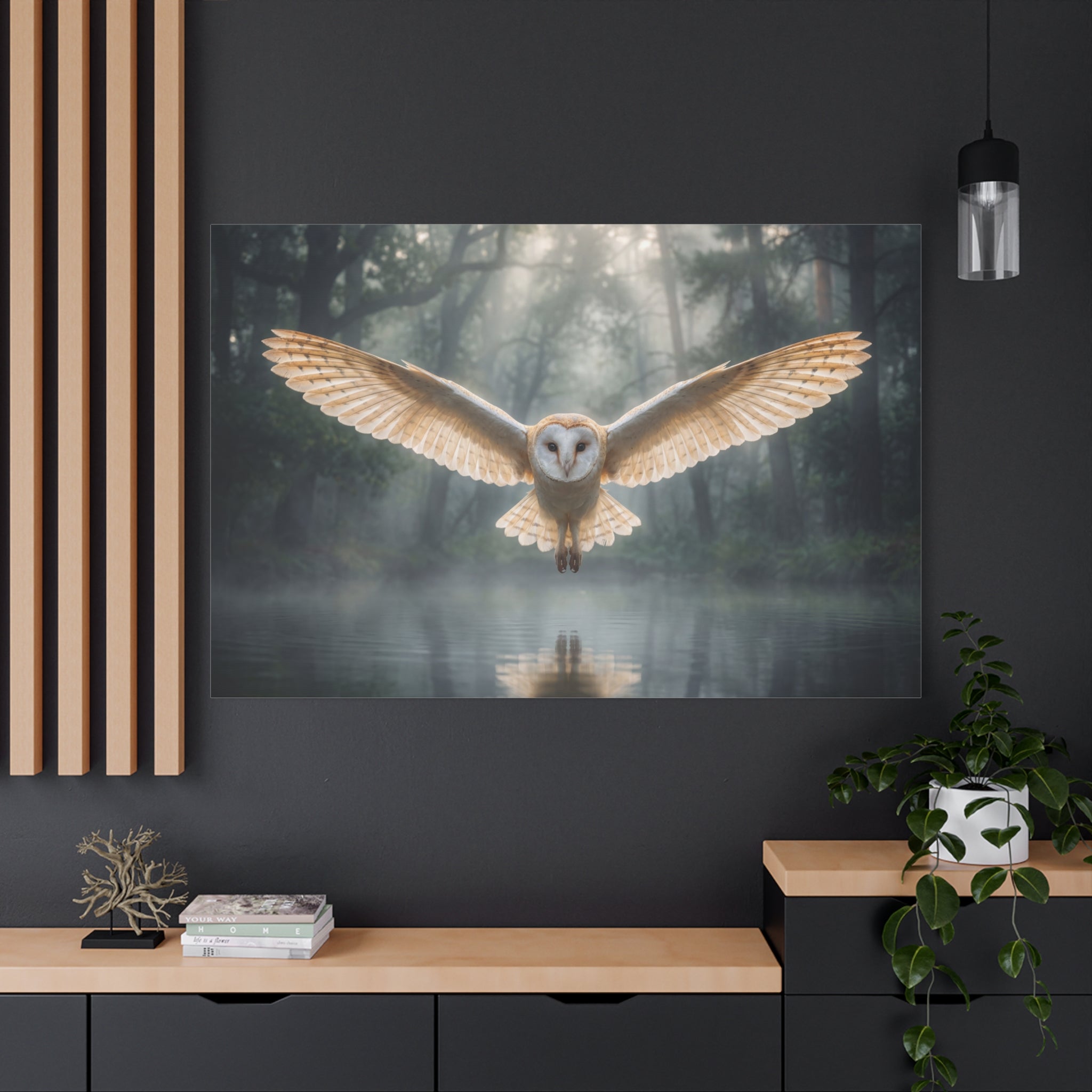
The Silent Guardian Barn Owl Canvas Wall Art captures the emotional mystery and cinematic lighting often seen in classical wildlife oil paintings.
Painting Fur and Animal Textures
Realistic wildlife painting depends heavily on texture variation.
Important Techniques
- Dry brushing
- Fine layering
- Directional strokes
- Color temperature shifts
Best Wildlife Subjects
- Foxes
- Wolves
- Moose
- Bears
Painting Forest Wildlife Scenes
Forest wildlife scenes combine multiple oil painting techniques simultaneously.
Key Elements
- Atmospheric depth
- Fog and mist
- Light shafts
- Tree texture
- Animal focal points
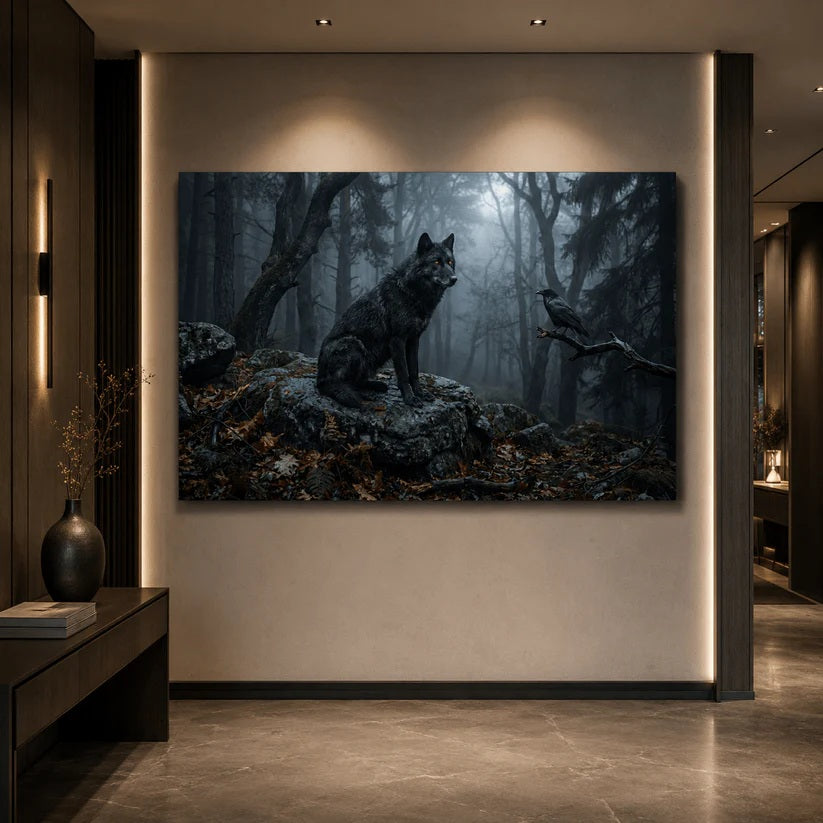
The Black Wolf Raven in Misty Forest Canvas Wall Art reflects the atmospheric depth and emotional storytelling associated with classical forest oil paintings.
Capturing Water Reflections in Nature Art
Water reflections require smooth blending and careful light observation.
Best Techniques
- Glazing
- Wet-on-wet blending
- Horizontal brushwork
- Soft reflections
Painting Dramatic Sky and Mountain Landscapes
Mountain landscape oil paintings often use atmospheric perspective and glazing techniques.
Best Landscape Elements
- Storm clouds
- Golden sunsets
- Snow-covered peaks
- Mist-filled valleys
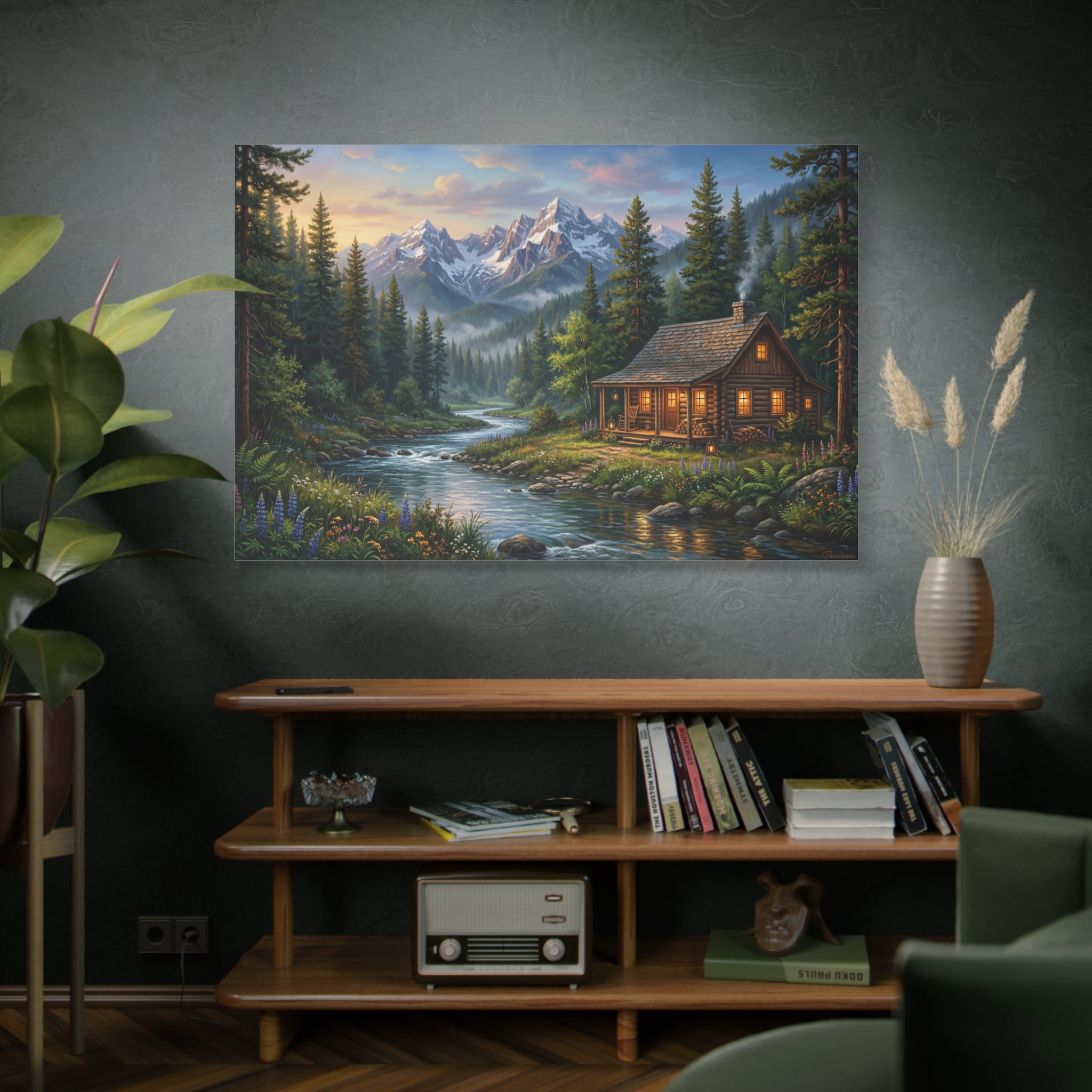
Alpine Serenity – Cozy Cabin by the Mountain Stream beautifully captures traditional mountain landscape oil painting atmosphere with warm cinematic realism.
Creating Realistic Animal Eyes
Animal eyes are often the emotional focal point of wildlife paintings.
Key Techniques
- Sharp highlights
- Dark contrast
- Wet reflections
- Micro color variation
History of Oil Painting in Wildlife Art
Wildlife oil painting dates back centuries and became especially popular during the Renaissance and Romantic eras.
Artists used oil paint to document:
- Wildlife species
- Natural landscapes
- Hunting scenes
- Environmental storytelling
Institutions like The Metropolitan Museum of Art and The National Gallery continue preserving historical oil paintings that inspire modern wildlife artists today.
Color Psychology in Nature Artwork
| Color | Emotional Effect |
|---|---|
| Forest Green | Calmness and grounding |
| Blue | Peacefulness and openness |
| Gold | Warmth and luxury |
| Brown | Rustic comfort |
| Black | Drama and sophistication |
Best Nature Oil Paintings for Living Rooms
Living rooms benefit from oversized wildlife and landscape artwork that creates emotional atmosphere.
Best Subjects
- Mountain landscapes
- Forest wildlife scenes
- Moose and deer paintings
- Bird artwork
Rustic Cabin Wildlife Decor Ideas
Rustic cabins pair beautifully with textured wildlife paintings.
Best Wildlife Subjects
- Moose
- Bears
- Owls
- Foxes
- Wolves
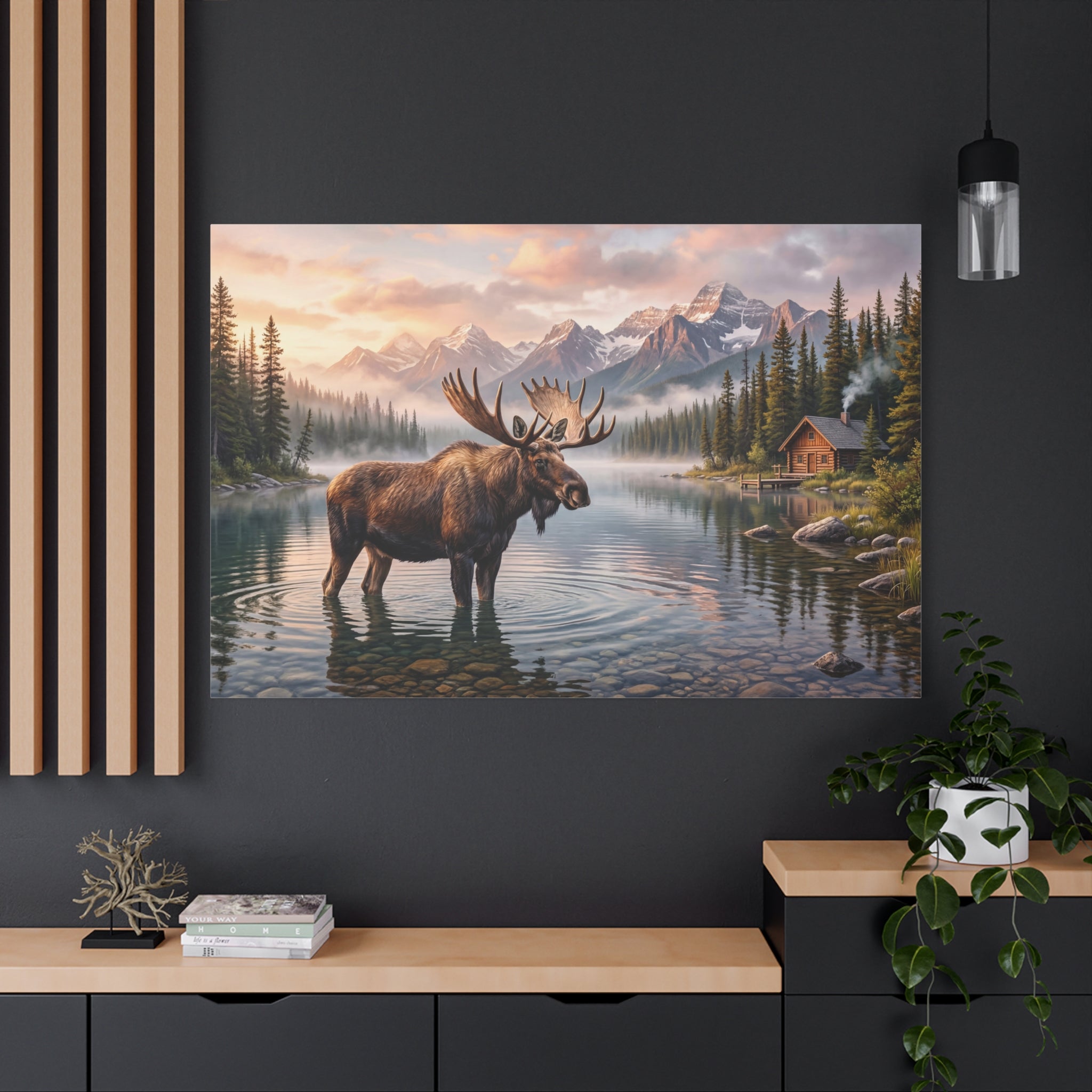
Majestic Moose by Mountain Lake captures the peaceful wilderness atmosphere found in traditional landscape oil paintings.
Luxury Nature Canvas Wall Art for Modern Homes
Modern luxury homes increasingly use premium wildlife canvas wall art as statement pieces.
Popular Trends
- Oversized wildlife canvases
- Dark moody forest art
- Gold-accent landscapes
- Cinematic animal portraits
Wildlife Art for Masculine Office Decor
Masculine offices often use wildlife artwork symbolizing power, intelligence, and resilience.
Best Wildlife Subjects
- Eagles
- Wolves
- Snakes
- Bears
Oversized Nature Canvas Trends in 2026
- Oversized wrapped canvases
- Dark cinematic wildlife scenes
- Luxury forest artwork
- Moody mountain landscapes
- Nature-inspired masculine decor
Realism vs Abstract Nature Paintings
| Realism | Abstract |
|---|---|
| Detailed and immersive | Emotional and interpretive |
| Traditional luxury feel | Modern contemporary feel |
| Rustic compatibility | Minimalist compatibility |
| Nature realism | Creative symbolism |
Framed vs Wrapped Canvas Wall Art
| Wrapped Canvas | Framed Art |
|---|---|
| Modern luxury appearance | Traditional gallery look |
| Minimalist edges | Decorative framing |
| Perfect for oversized art | Classic presentation |
Why Choose ArtOfRoyals?
- Premium handcrafted wrapped canvases
- Museum-grade print quality
- Luxury wildlife aesthetics
- Nature-inspired storytelling
- Designed for modern and rustic interiors
- Exclusive wildlife collections
- Ready-to-hang craftsmanship
ArtOfRoyals transforms traditional oil painting inspiration into luxury wildlife wall decor designed for modern homes.
Frequently Asked Questions
What is the best oil painting technique for wildlife art?
Layering, glazing, and dry brushing are among the best techniques for realistic wildlife painting.
Why are oil paintings popular in luxury interiors?
Oil paintings create emotional depth, texture, realism, and timeless sophistication.
What wildlife subjects work best for rustic cabins?
Moose, bears, wolves, deer, and owls work exceptionally well in rustic cabin interiors.
Are wrapped canvas prints better for modern homes?
Yes. Wrapped canvases create cleaner minimalist luxury aesthetics ideal for modern interiors.
What colors are most calming in nature artwork?
Forest greens, sky blues, earthy browns, and warm golden tones create calming emotional atmospheres.


