


Most Famous Wildlife Artists of All Time: A Collector's Guide to the Tradition Behind the Canvas
Every great wildlife canvas print you hang on your wall is part of a tradition stretching back centuries — a lineage of artists who looked at the natural world with a combination of scientific rigor and artistic ambition that no other genre of painting quite demands. Wildlife art requires more than technical skill. It requires the artist to know their subject as intimately as a naturalist, to understand how an animal moves and how it holds itself in stillness, what its eye communicates, how the light falls differently on fur than on feather, on wet flank than on dry coat in winter.
The artists who have done this best — who have brought genuine mastery to the intersection of nature and art — have created work that endures across centuries because it combines observation and beauty in ways that continue to resonate. Understanding who these artists are, what made their work significant, and how their legacy shapes the standard for premium wildlife art today gives collectors a richer appreciation of what they're bringing into their homes when they invest in a quality wildlife canvas print.
This guide profiles the most famous wildlife artists in history, explores what made their contributions defining, and connects that tradition to the question that ultimately matters for anyone decorating their home: what does great wildlife art look like, and how do you find it?
John James Audubon (1785–1851) — The Standard That Still Stands
No name in wildlife art carries more weight than John James Audubon. His Birds of America, published in four volumes between 1827 and 1838, contains 435 hand-colored engravings of North American birds rendered at life size — a technical and artistic achievement that remains unparalleled more than 180 years later. Audubon spent decades in the American wilderness, observing, sketching, and painting birds with a combination of scientific accuracy and compositional artistry that had never previously been combined at that level.
What made Audubon's work extraordinary wasn't just accuracy — it was animation. His birds are not pinned specimens. They are alive in their poses, dynamic in their relationship to the botanical settings he placed them within, expressive in ways that communicate the quality of being a living creature rather than a documented one. The great blue heron, the bald eagle, the wild turkey — these were not just records. They were portraits.
Audubon's legacy in the context of home decor is direct and practical: his work established the template for what wildlife art aspires to. When you look for a premium wildlife canvas print that captures an eagle with genuine authority or a bird with real presence, you're looking for what Audubon achieved in 1827 — the living animal, honestly and beautifully rendered. The Audubon Society's archive of his original plates remains one of the most visited collections in American art history.
Archibald Thorburn (1860–1935) — The Master of British Wildlife
In Britain, no wildlife artist commands the same reverence as Archibald Thorburn. Working primarily in watercolor, Thorburn developed a technique for rendering birds and mammals in their natural settings — Scottish moorland, Highland forest, coastal marsh — that was so precise and so atmospherically rich that his work has never been surpassed in the British tradition. His pheasants, red grouse, golden eagles, and red deer in autumn are among the most reproduced wildlife images in British history.
What distinguishes Thorburn from his contemporaries is the quality of environment in his work. The animals never exist in isolation — they are always embedded in weather, in light, in season, in specific habitat. A Thorburn golden eagle isn't simply an eagle: it's an eagle in Highland morning light, with the quality of air and distance specific to that landscape. This integration of animal and environment — subject and setting in full dialogue — is the hallmark of the finest wildlife art at any era, and it's the standard that the best contemporary wildlife canvas prints aspire to replicate.
Bruno Liljefors (1860–1939) — The Painter Who Invented Wildlife Atmosphere
Swedish artist Bruno Liljefors is less well-known outside Scandinavia than Audubon or Thorburn, but among artists and serious collectors his reputation is extraordinary. Where Audubon's birds were compositionally brilliant and Thorburn's were atmospherically precise, Liljefors painted wildlife with an impressionistic freedom that captured what it felt like to see an animal in the wild rather than what it looked like under examination.
His foxes in snow, his eagles stooping over frozen water, his hares in the moments before flight — these are among the most emotionally resonant images in the entire history of wildlife art. Liljefors understood that the experience of wildlife in nature is primarily a sensory and emotional event, and he painted that experience rather than the zoological fact. His influence on the atmospheric, moody wildlife art that is so prevalent in contemporary interior decor — the wolf under a night sky, the stag in forest mist — is immense and largely unacknowledged.
For collectors drawn to the atmospheric end of wildlife canvas art, understanding Liljefors is understanding the artistic tradition their taste belongs to. His work is a direct ancestor of the dark, luminous wildlife prints that work so powerfully in modern rustic and cabin interiors today.
Carl Rungius (1869–1959) — The Great American Big Game Painter
If Audubon defined American bird art, Carl Rungius defined American big game art. Born in Germany and emigrated to North America in 1894, Rungius spent decades in the Canadian Rockies, Alaska, and the American West, painting moose, elk, bighorn sheep, grizzly bears, and caribou with a technical mastery and romantic grandeur that made him the most celebrated wildlife painter of his era.
Rungius's work is monumental in scale and ambition — large canvases with sweeping mountain backgrounds, animals rendered with full anatomical authority in settings that capture the vast scale of the North American wilderness. His moose at mountain lakes, his elk in autumn meadows, and his bears in river canyons are the visual archetypes that continue to define how we picture these animals in art.
For anyone furnishing a mountain home, a cabin great room, or a lodge-style interior, Rungius is the artist whose visual language most directly informs what premium moose and wilderness wall art looks like at its best. The tradition he established — grand scale, honest anatomy, epic setting — is the standard that contemporary wildlife canvas art in the cabin and mountain home market aspires to.
Robert Bateman (b. 1930) — Bringing Wildlife Art into the Fine Art Mainstream
No living wildlife artist has done more to establish the genre as serious fine art than Canadian painter Robert Bateman. Working in a style that combines photorealistic precision with painterly abstraction — tight detail in the animal subject, loose gestural treatment of the surrounding environment — Bateman has produced a body of work over six decades that has sold for record prices, been exhibited in major museums, and brought hundreds of thousands of collectors to wildlife art who might otherwise never have engaged with the genre.
Bateman's significance for contemporary collectors is both artistic and cultural. He demonstrated that wildlife art could be exhibited alongside landscape and figurative painting as a serious genre deserving critical and commercial attention. He showed that the wolf, the eagle, and the great grey owl could be subjects of the same aesthetic ambition as any subject in the history of Western painting. And he built an audience for premium wildlife art that continues to grow.
The tradition Bateman represents — wildlife art as genuine artistic investment, not merely illustration — is directly relevant to how collectors today should think about premium wildlife canvas prints for their homes. The standard he set for quality, depth, and artistic ambition is the standard worth holding any wildlife canvas to.
Wildlife Art and the Home: From Gallery to Living Room
The tradition established by Audubon, Thorburn, Liljefors, Rungius, and Bateman didn't stay in galleries and natural history museums. It migrated into homes — first through prints and reproductions, then through an entirely new market for original and limited-edition wildlife art that developed through the latter half of the twentieth century, and most recently through the premium gallery-wrapped canvas print market that has made the finest wildlife imagery accessible to any home.
Understanding that tradition helps explain why great wildlife canvas art does something for a room that other categories of art often cannot. A wolf canvas printed to museum quality on archival canvas and gallery-wrapped on solid wood is not simply a decorative object. It's a participant in a centuries-long conversation about the relationship between human beings and the wild world — a conversation that began with Audubon's life-size herons and continues in every premium wildlife print that brings a stag's gaze or an eagle's wingspread into a living room.
For those interested in the creative process behind contemporary wildlife art, our blog explores how realistic wildlife art is created — from initial sketches to finished canvas — and the process of transforming wildlife photography into canvas art. Understanding how a piece is made deepens the experience of living with it.
What the Masters Teach Us About Choosing Wildlife Art Today
The artists profiled above — different centuries, different countries, different media — share qualities that translate directly into practical guidance for anyone choosing wildlife art for their home.
The Animal Must Be Alive in the Frame
Audubon's birds are not stuffed specimens. Thorburn's pheasants are not frozen. Liljefors's foxes are not posed. In every case, the animal exists in a moment — a real or compellingly imagined instant of actual animal life. This quality of aliveness is the first thing to look for in any wildlife canvas print. Does the animal in the frame feel like it is genuinely present, or does it feel like a reference image? The difference is enormous and immediately visible.
Setting Is as Important as Subject
Not one of the great wildlife artists placed their subjects against empty backgrounds. Thorburn's birds are always in specific habitat. Rungius's moose are always at a specific mountain lake in a specific light. Liljefors's foxes are always in snow that feels like particular snow in a particular place. When you choose a wildlife canvas print, the background and setting are as important as the animal — a moose at a mountain lake is a more powerful image than a moose floating against a neutral gradient, because the setting gives the animal its world. Explore the emotional dimension of wildlife art and why setting and context are what separate memorable pieces from forgettable ones.
Quality of Execution Is Non-Negotiable
Every artist on this list was technically exceptional. Audubon's anatomical accuracy was documented by ornithologists. Thorburn's watercolor technique was recognized by contemporaries as unsurpassed. Rungius's understanding of big game anatomy came from years of direct observation in the field. This technical mastery is what makes their work endure. For contemporary collectors, the equivalent is print quality — archival inks, museum-quality canvas, solid wood stretcher bars, gallery-wrapped finish. These are the technical foundations that determine whether a wildlife canvas print still looks extraordinary in ten years or has faded and sagged.
For a deeper look at how digital and hand-painted approaches compare in modern wildlife art, read our guide on digital vs. hand-painted wildlife canvases — the differences, the trade-offs, and what each approach can achieve at its best.
The Contemporary Wildlife Art Scene: Where the Tradition Lives Now
The lineage from Audubon to Bateman continues in a thriving contemporary wildlife art scene. Artists like Carl Brenders, Guy Coheleach, and Terry Isaac carry the tradition of photorealistic wildlife painting. A newer generation brings digital tools, atmospheric abstraction, and bold compositional approaches that push the genre into territory the historical masters never explored.
According to the Society of Animal Artists, wildlife art is currently experiencing one of the strongest periods of collector interest in its history, driven partly by growing awareness of conservation issues and partly by the broader cultural turn toward nature connection and biophilic design in the home. The animals that Audubon documented, that Thorburn painted in the Scottish Highlands, that Rungius chased across the Canadian Rockies — they have never felt more relevant.
For context on where the genre is heading, our coverage of why more artists are focusing on wildlife representation and top wildlife art trends traces the forces shaping contemporary wildlife art for collectors today. And if you're interested in the galleries where serious wildlife art is exhibited and sold, our guide to art galleries specializing in wildlife covers the most significant destinations worldwide.
From Tradition to Your Walls: ArtOfRoyals and the Wildlife Art Legacy
At ArtOfRoyals, our approach to wildlife canvas art is informed by this tradition. The standard is the same one Audubon, Thorburn, and Bateman set — the animal alive in the frame, the setting honest and atmospheric, the execution technically uncompromising. What has changed is accessibility: premium gallery-wrapped wildlife canvas prints, printed on archival museum-quality canvas with fade-resistant inks on solid wood frames, available in sizes from intimate bedroom pieces to oversized living room statements.
Every canvas we offer is gallery-wrapped — the image continues around mirrored edges with no frame required, arriving ready to hang. The result is a piece that participates in the wildlife art tradition at a level of quality that would have been extraordinary even a generation ago, brought into reach for anyone who wants their walls to carry genuine meaning as well as genuine beauty.
For those building a whole-home wildlife collection informed by this tradition, our ultimate guide to wildlife art and nature-inspired living is the most comprehensive resource we offer. And our wildlife home decor guides translate the artistic tradition into practical room-by-room decorating advice for every interior style.
Featured ArtOfRoyals Wildlife Canvas Prints
Each piece below reflects the qualities the great wildlife artists valued — the animal alive in the frame, set within a genuine wilderness environment, rendered with the depth that makes a canvas worth living with for years. All are gallery-wrapped on solid wood, printed to museum quality, and available in statement sizes.

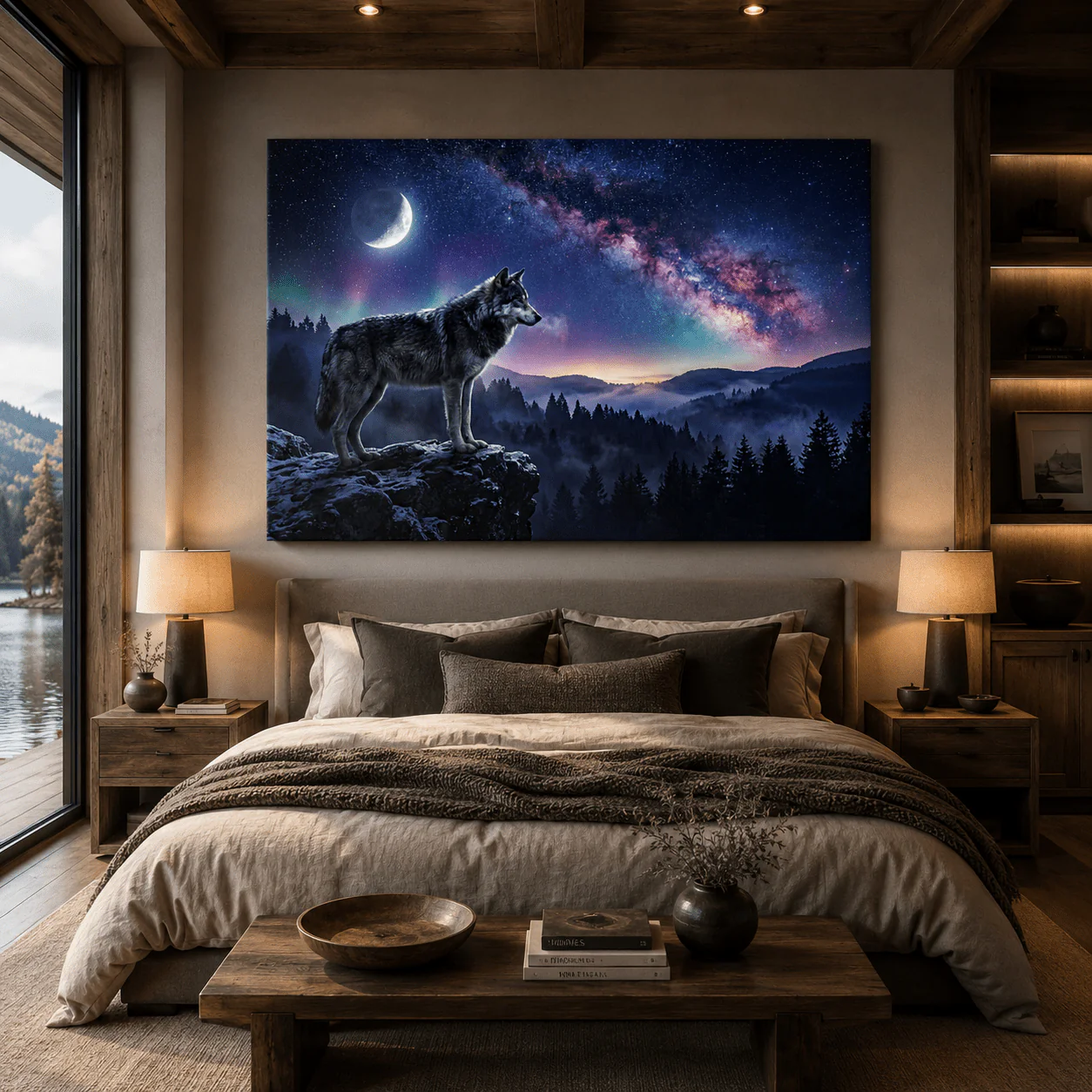
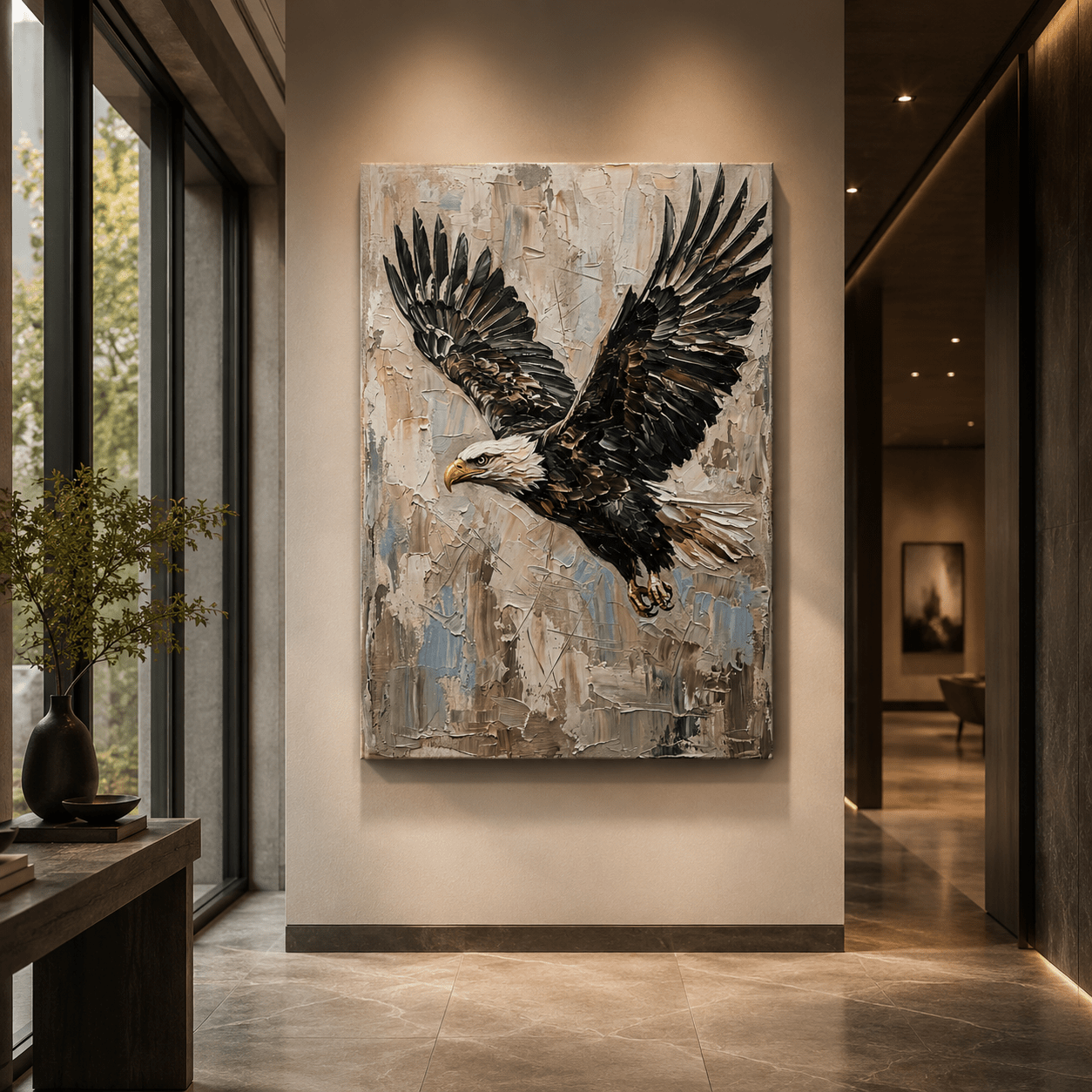
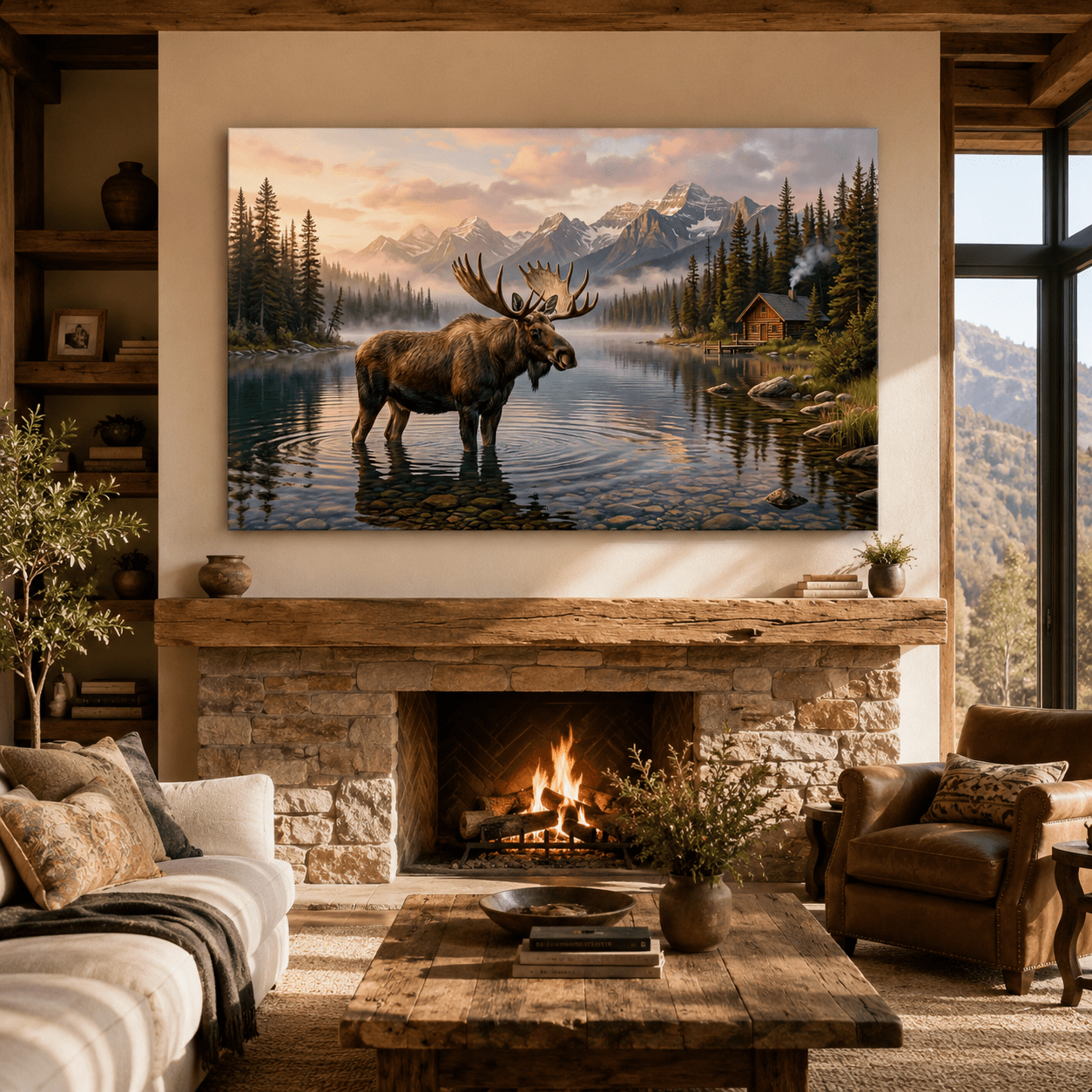
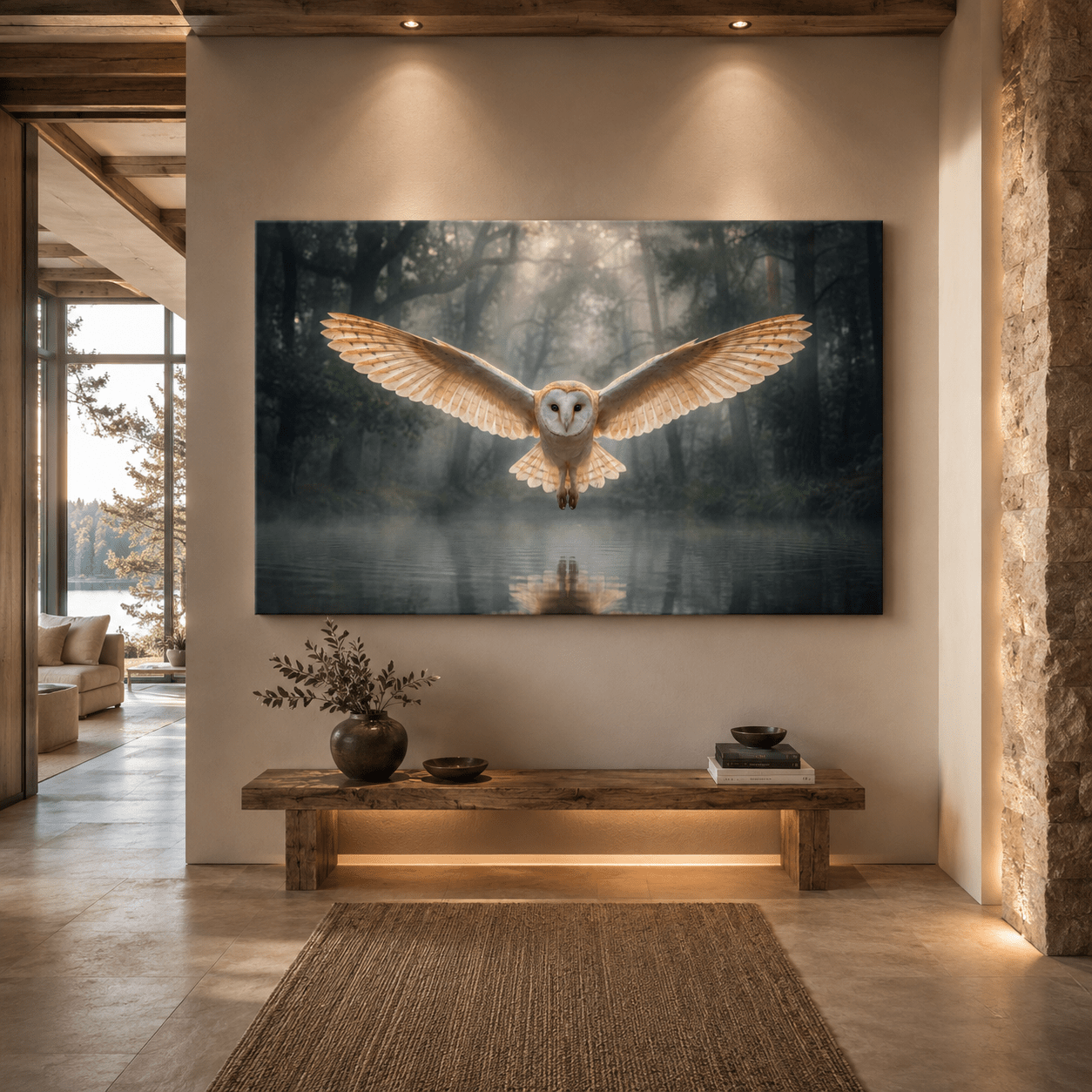

Browse the complete range of wildlife and animal canvas prints and explore our bird and raptor prints for subjects that connect directly to the Audubon and Thorburn traditions. For styling guidance on displaying these pieces in your home, our wildlife art guides and home decor inspiration covers every room and interior style.
Building a Wildlife Art Collection in the Tradition of the Masters
The collectors who commissioned Audubon's prints, who bought Thorburn's watercolors, who acquired Rungius's oils — they were building something. A relationship with the natural world expressed through art. A home that acknowledged, through its walls, that the wilderness outside was worth honoring, documenting, and celebrating.
That is still what collecting wildlife art means. The medium has changed — gallery-wrapped archival canvas prints have made what was once available only to wealthy patrons accessible to any home — but the impulse and the standard remain the same. You want pieces with genuine artistic depth, animals fully alive in honest settings, executed at a quality that will endure on your walls for years.
Our guide to how wildlife art encourages creativity explores how living with these pieces affects daily life — and why the homes of serious collectors feel different from homes where art is chosen purely decoratively. And for those just beginning to build a collection, our exploration of the journey from wildlife photography to canvas gives insight into how contemporary wildlife art is made.
According to the National Gallery of Art's Audubon collection notes, the lasting power of wildlife art lies in its combination of beauty and truth — the insistence that the natural world is worthy of the same artistic attention as any human subject. That insistence hasn't lost any of its force. If anything, in an era of accelerating environmental change, it has gained urgency.
The best wildlife art on your wall is not just beautiful. It is a statement about what you value — about the world you want to acknowledge and honor in the space where you live.
Bring the wildlife art tradition home.
Every ArtOfRoyals canvas is gallery-wrapped, printed to museum quality on archival canvas, and available in sizes built for genuine impact. Find the piece that belongs on your wall.
Explore the Collection →Frequently Asked Questions: Famous Wildlife Artists and Collecting Wildlife Art
Who is considered the most famous wildlife artist of all time?
John James Audubon is widely considered the most famous wildlife artist in history. His Birds of America series set a standard for scientific accuracy and artistic ambition that has never been surpassed. Among contemporary wildlife artists, Robert Bateman is perhaps the most globally recognized for bringing wildlife art into the fine art mainstream. For more on the wildlife art world today, read our guide to galleries specializing in wildlife art.
What makes wildlife art different from other genres of painting?
Wildlife art requires the artist to combine scientific observation with artistic vision — understanding animal anatomy, behavior, and habitat with the depth of a naturalist while making compositional and emotional decisions that produce work with genuine artistic power. The best wildlife artists are as much naturalists as painters, and that dual expertise is what gives their work its authority. Our feature on how realistic wildlife art is created goes into this process in detail.
How does the tradition of wildlife art influence modern canvas prints?
The tradition established by Audubon, Thorburn, and Bateman — accurate observation, atmospheric setting, the animal as a worthy subject of serious artistic treatment — directly informs the standard for premium wildlife canvas prints today. When you choose a gallery-wrapped print that captures a wolf's intelligence or a stag's majesty with real depth, you're participating in an artistic tradition that spans centuries.
What is the difference between digital and hand-painted wildlife art?
Both can produce work of extraordinary quality. Hand-painted wildlife art has physical texture and the marks of the creative process visible in the surface; digital work can achieve effects impossible in traditional media. For collectors, the distinction matters less than artistic quality and print standards. Our detailed comparison of digital vs. hand-painted wildlife canvases covers this question thoroughly.
Which wildlife art subjects are most popular for home decor?
Wolves, stags, eagles, moose, and bears are consistently the most popular for their combination of visual authority and symbolic resonance. Browse our full wildlife canvas collection and birds and raptors for the strongest current selection in each category.
How do I choose wildlife art that will look good long-term?
Choose subjects with genuine symbolic weight, artistic treatments with atmospheric depth, and quality canvas materials that will hold color and presence over years. Read our essay on the beauty of wildlife through the artist's eye for a deeper framework for making choices that endure.
What is the best way to display wildlife art in a modern home?
Gallery-wrapped canvas on solid wood — no frame, mirrored edges, ready to hang — is the standard for modern display. Size up for primary walls: 40x60 or larger on a living room feature wall creates a genuine statement. Our wildlife home decor blog covers room-by-room placement and styling in full detail.


