


Bird Symbolism in Different Cultures: Meaning and Artistic Representations
Birds have captivated human imagination for centuries, appearing in myths, legends, and art across cultures. Their ability to soar high in the sky makes them a universal symbol of freedom, hope, and spirituality. In this blog, we explore the significance of birds in different cultures and how their artistic representations can bring depth and meaning to your canvas wall art.
Birds in Ancient Cultures
Egyptian Culture: Birds held a sacred place in ancient Egypt. The ibis, for instance, symbolized wisdom and was associated with Thoth, the god of knowledge. The falcon represented protection and kingship, embodied by the deity Horus.
Greek and Roman Mythology: Birds often acted as messengers of the gods. The owl was linked to Athena, the goddess of wisdom, while the eagle symbolized Zeus, the king of the gods. These associations gave birds an aura of divine connection and power.
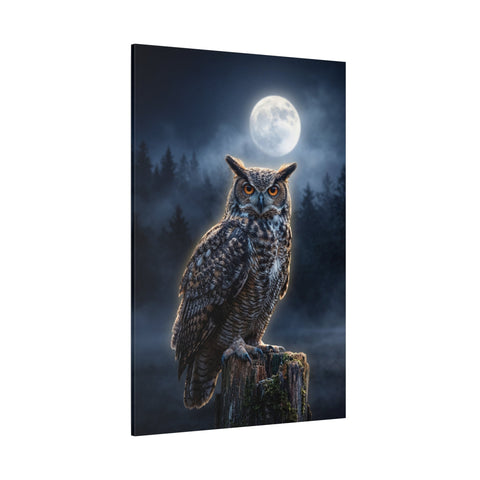
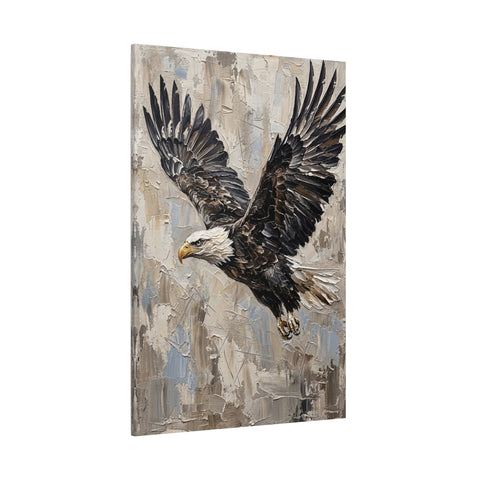
Native American Traditions: Birds are revered as spiritual guides. The eagle, often considered the most sacred, symbolizes courage, vision, and strength. The hummingbird, on the other hand, represents joy, resilience, and adaptability.
Symbolism in Asian Cultures
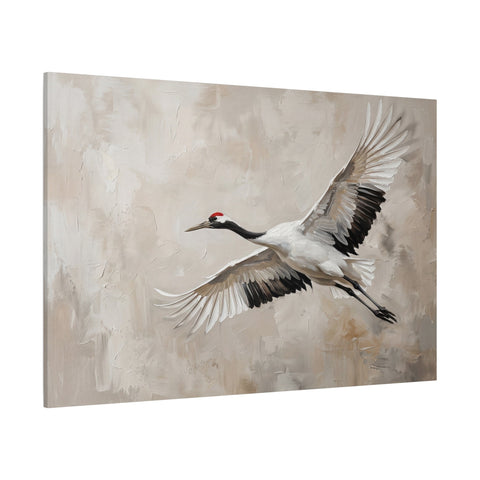
Chinese Symbolism: In Chinese culture, birds often symbolize harmony and happiness. The crane is a sign of longevity and immortality, frequently depicted in traditional art. Swallows, associated with spring, bring messages of hope and renewal.
Japanese Symbolism: The crane also plays a prominent role in Japanese culture, symbolizing good fortune and peace. Origami cranes, for example, are folded as a wish for health and happiness.
Bird Symbolism in Other Cultures and Traditions
Celtic and Norse Traditions: In Celtic mythology, the wren was known as the "king of birds" and a symbol of wisdom and prophecy, while the raven was tied to the battlefield goddess the Morrígan. Norse mythology gave ravens an even greater role: the god Odin kept two ravens, Huginn ("thought") and Muninn ("memory"), who flew across the world each day and returned to whisper what they had seen. This made ravens enduring symbols of knowledge, memory, and foresight in Northern European culture.

Christian Symbolism: The dove is one of the most recognizable religious bird symbols, representing peace, purity, and the Holy Spirit. This imagery traces back to the story of Noah's dove returning with an olive branch, a lasting symbol of hope after hardship.
Mesoamerican and African Traditions: The Maya and Aztec civilizations revered the resplendent quetzal, associating its brilliant plumage with the feathered serpent god Quetzalcoatl and viewing the bird as a symbol of freedom and divinity (it was considered so sacred that killing one was forbidden). Across many African traditions, birds like the owl and vulture take on more complex meanings, often serving as omens or messengers between the living and the spirit world, showing how the same bird can carry very different symbolism depending on the culture.
Bird Symbolism in Literature and Art
Artists and writers have long been inspired by birds, using them as metaphors for human emotions and aspirations. Vincent van Gogh's "Wheatfield with Crows" is often read as a meditation on mortality, while Emily Dickinson's poem "'Hope' is the thing with feathers" turned a small bird into one of literature's most enduring images of resilience.
Edgar Allan Poe's "The Raven" cemented the bird as a symbol of grief and inescapable fate, while Harper Lee's To Kill a Mockingbird used the mockingbird to represent innocence destroyed by cruelty. Maya Angelou's memoir I Know Why the Caged Bird Sings turned the image of a caged bird into a powerful symbol of captivity, resilience, and the longing for freedom. John Keats' "Ode to a Nightingale" used the bird's song as a doorway to transcendence, and Samuel Taylor Coleridge's albatross in "The Rime of the Ancient Mariner" became shorthand for guilt and burden. Even film has drawn on this symbolism, with Alfred Hitchcock's The Birds transforming ordinary songbirds into a source of dread. These interpretations enrich birds' presence in art, making them a timeless choice for home decor.
What Different Birds Symbolize: A Species-by-Species Guide
Beyond broad cultural traditions, individual bird species carry their own distinct symbolism. Here's what some of the most commonly referenced birds represent:
Owl: Widely recognized as a symbol of wisdom and intuition, though in some folk traditions it's also linked to mystery and omens of change.
Eagle: Represents strength, freedom, and vision, and is one of the most common national and military emblems in the world.
Dove: The universal symbol of peace, love, and purity.
Raven and Crow: Associated with intelligence and transformation; in Norse and Celtic traditions they signify prophecy, while in others they're read as omens.
Robin: Often seen as a symbol of renewal and new beginnings, with folklore in many cultures suggesting a robin's visit signals a message from a loved one who has passed.
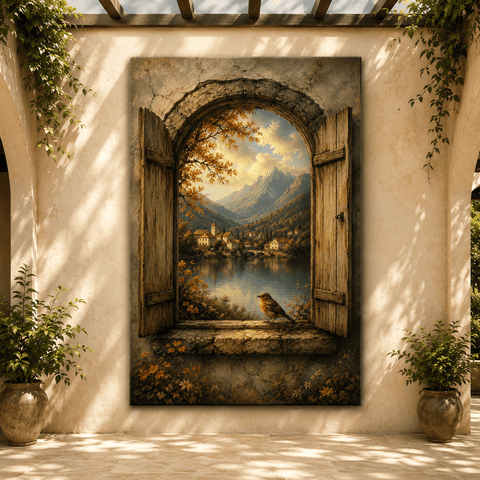
Sparrow: A symbol of community, humility, and finding joy in everyday, ordinary moments.
Hummingbird: Represents joy, resilience, and adaptability, prized in Native American tradition for its energy and lightness of spirit.
Swallow: A sign of hope, renewal, and the safe return home, historically linked to sailors and the arrival of spring.
Crane: One of the most widespread symbols of longevity and immortality, especially across Chinese and Japanese art.
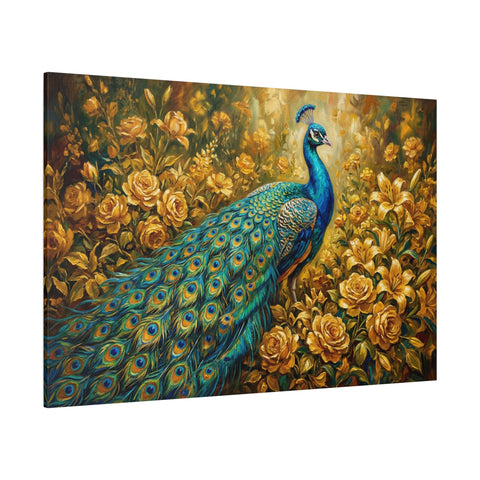
Peacock: Symbolizes beauty, pride, and renewal; in Christian art its feathers represent immortality, while in Hindu tradition it's linked to the deity Krishna.
Swan: Represents grace, love, and transformation, often tied to loyalty because of its lifelong pairing habits.
Phoenix: A mythical symbol of rebirth and immortality, rising renewed from its own ashes.
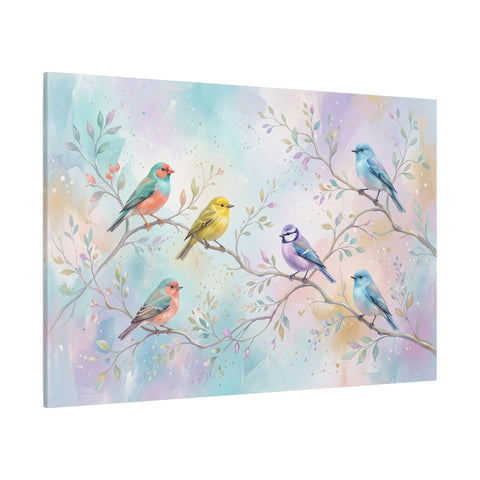
Songbirds (general): As a category, songbirds are widely associated with joy, everyday beauty, and the simple pleasures of nature.
Incorporating Bird Symbolism into Your Canvas Wall Art
Bird-themed art can transform your living space, adding layers of meaning and beauty. Here are some ideas for incorporating bird symbolism into your canvas wall art:
- Freedom and Hope: Choose artworks featuring birds in flight to inspire a sense of liberation and optimism.
- Cultural Connections: opt for pieces that reflect specific cultural symbolism, like cranes for longevity or eagles for strength.
- Nature-Inspired Themes: Blend bird imagery with natural elements like trees and flowers for a serene and balanced aesthetic.
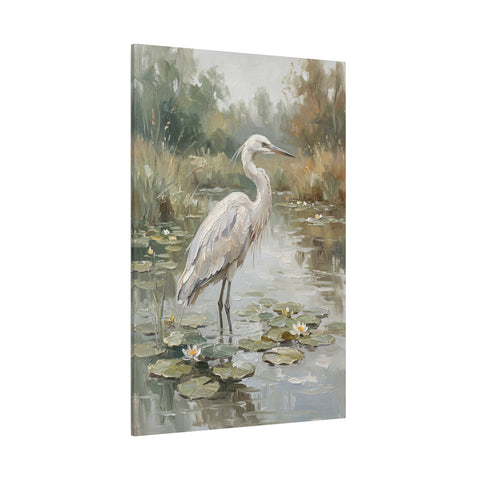
White Heron Pond Canvas Wall Art – Serene Wetland Bird Nature Decor for Peaceful Interiors
Conclusion
Bird symbolism transcends cultural boundaries, offering rich meanings that resonate with people worldwide. Whether you're drawn to the elegance of a crane or the power of an eagle, incorporating these symbols into your wall art can create a unique connection between art and emotion. Explore our collection of bird-inspired canvas wall art to find the perfect piece for your space.


