


10 Famous Wildlife Artists You Should Know
There is something deeply emotional about wildlife art.
A lone wolf standing beneath moonlit skies. A tiger emerging from mist-covered forests. Eagles soaring over rugged mountains. Dolphins gliding through glowing ocean waters. Wildlife paintings allow us to reconnect with nature in ways modern life often forgets.
For centuries, famous wildlife artists have transformed untamed wilderness into timeless visual storytelling. Through realism, dramatic lighting, emotional atmosphere, and extraordinary technical mastery, these artists preserve the spirit of the natural world on canvas.
Today, wildlife art is no longer limited to galleries or collectors. Luxury homeowners, interior designers, and wildlife enthusiasts increasingly use wildlife canvas wall art to create immersive interiors filled with warmth, emotion, and connection to nature.
Modern wildlife artwork now influences:
- Luxury interior design trends
- Nature-inspired home decor
- Rustic cabin aesthetics
- Safari-inspired living rooms
- Masculine office decor
- Conservation awareness
- Oversized statement wall styling
In 2026, wildlife paintings remain one of the strongest trends in luxury interiors because they create emotional atmosphere while celebrating the beauty of the natural world.
This comprehensive ArtOfRoyals guide explores 10 famous wildlife artists you should know, the animal painters and naturalist illustrators who came before them, the contemporary artists carrying the tradition forward, and how their legacy continues shaping modern wildlife wall decor and premium wildlife canvas prints today.
Why Wildlife Art Remains Timeless
Wildlife art remains timeless because it connects people to something primal and emotional.
In an increasingly digital world, wildlife paintings provide:
- Emotional calmness
- Connection to nature
- Visual storytelling
- Luxury atmosphere
- Escape from urban environments
- Symbolic meaning
Unlike generic wall decor, wildlife artwork feels alive. Animals symbolize strength, wisdom, freedom, resilience, and emotional instinct — making wildlife art deeply meaningful in interior spaces.
Luxury homeowners increasingly choose premium wrapped canvas wall art because it transforms rooms into immersive environments rather than simple decorative spaces.
Wildlife Art Trends in 2026
According to Architectural Digest and House Beautiful, nature-inspired interiors continue dominating luxury home design trends in 2026.
Top Wildlife Wall Art Trends
- Oversized wildlife canvas wall art
- Dark cinematic forest artwork
- Luxury safari-inspired interiors
- Moody wildlife paintings
- Ocean wildlife decor
- Minimalist wildlife gallery walls
- Bird wildlife artwork
- Museum-quality canvas prints
Wildlife artwork now appears in:
- Luxury penthouses
- Modern ranch homes
- Rustic cabins
- Executive offices
- Boutique hotels
- Mountain retreats
1. Robert Bateman
Few names in wildlife art command as much respect as Robert Bateman.
Known for his breathtaking realism and emotionally atmospheric compositions, Bateman revolutionized modern wildlife painting by portraying animals as part of complete ecosystems rather than isolated subjects.
His work often features:
- Misty wilderness environments
- Subtle natural lighting
- Quiet emotional storytelling
- Photorealistic wildlife detail
- Conservation-focused themes
Bateman's paintings create emotional stillness. His art invites viewers to pause and reconnect with nature's silence and vulnerability.
Why Robert Bateman Influenced Modern Wildlife Decor
Bateman helped redefine wildlife artwork as sophisticated fine art suitable for luxury interiors rather than niche rustic decor.
Today, many modern wildlife canvas wall art collections continue drawing inspiration from Bateman's cinematic realism and environmental storytelling.
Best Interiors for Bateman-Inspired Wildlife Artwork
- Luxury mountain homes
- Modern rustic interiors
- Nature-inspired bedrooms
- Minimalist luxury living rooms
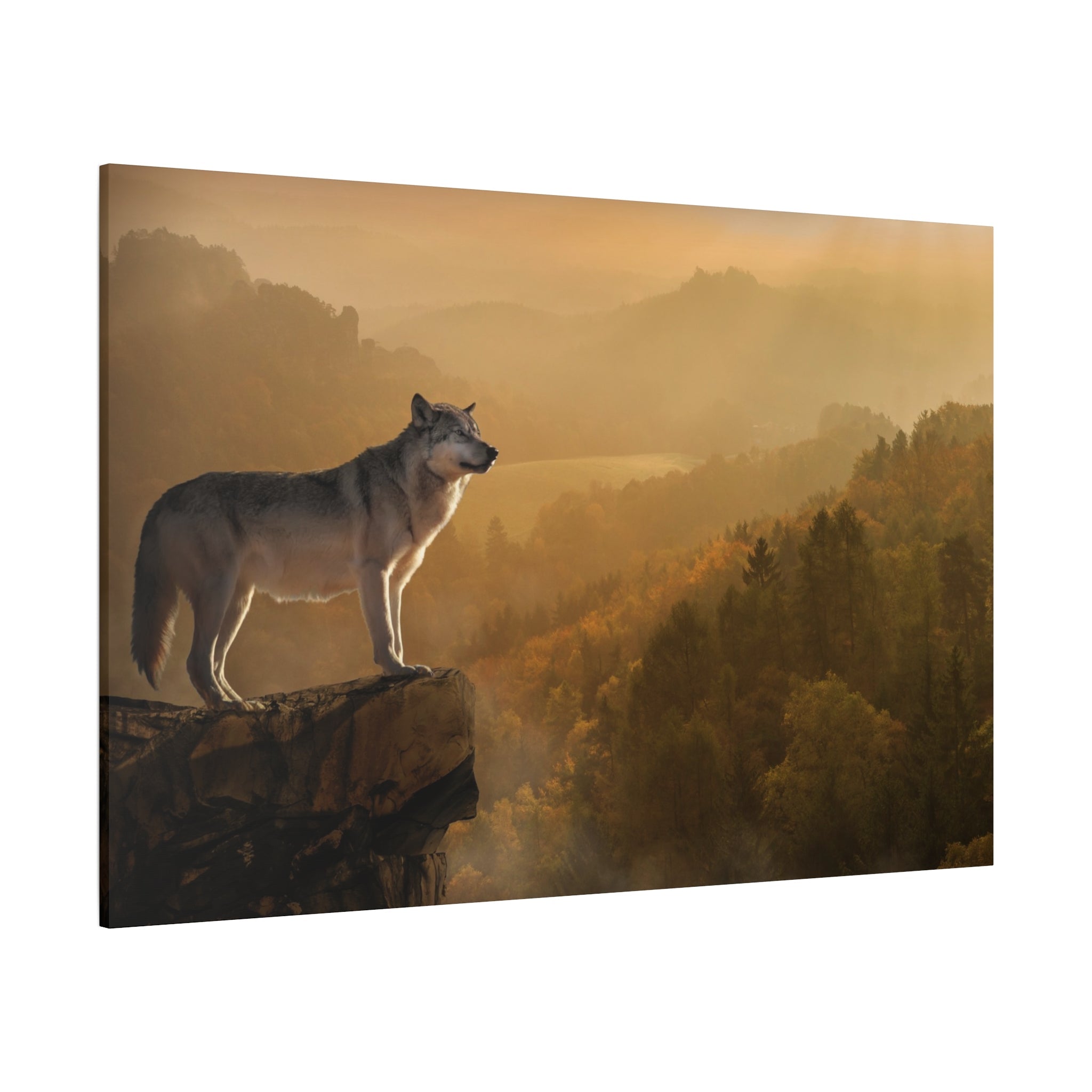
This quiet, atmospheric wolf portrait echoes Bateman's signature stillness — ideal for luxury mountain homes and minimalist living rooms.
2. Carl Rungius
Carl Rungius remains one of the most influential North American wildlife artists in history.
Famous for his dramatic portrayals of elk, moose, mountain goats, and bears, Rungius captured the rugged majesty of wilderness landscapes with unmatched energy and realism.
His paintings often emphasize:
- Mountain landscapes
- Dynamic wildlife movement
- Powerful animal anatomy
- Natural wilderness atmosphere
Rungius helped establish wildlife painting as a respected artistic genre in North America.
Decor Influence
His work heavily influences modern:
- Rustic wildlife decor
- Luxury cabin interiors
- Moose canvas wall art
- Mountain lodge aesthetics
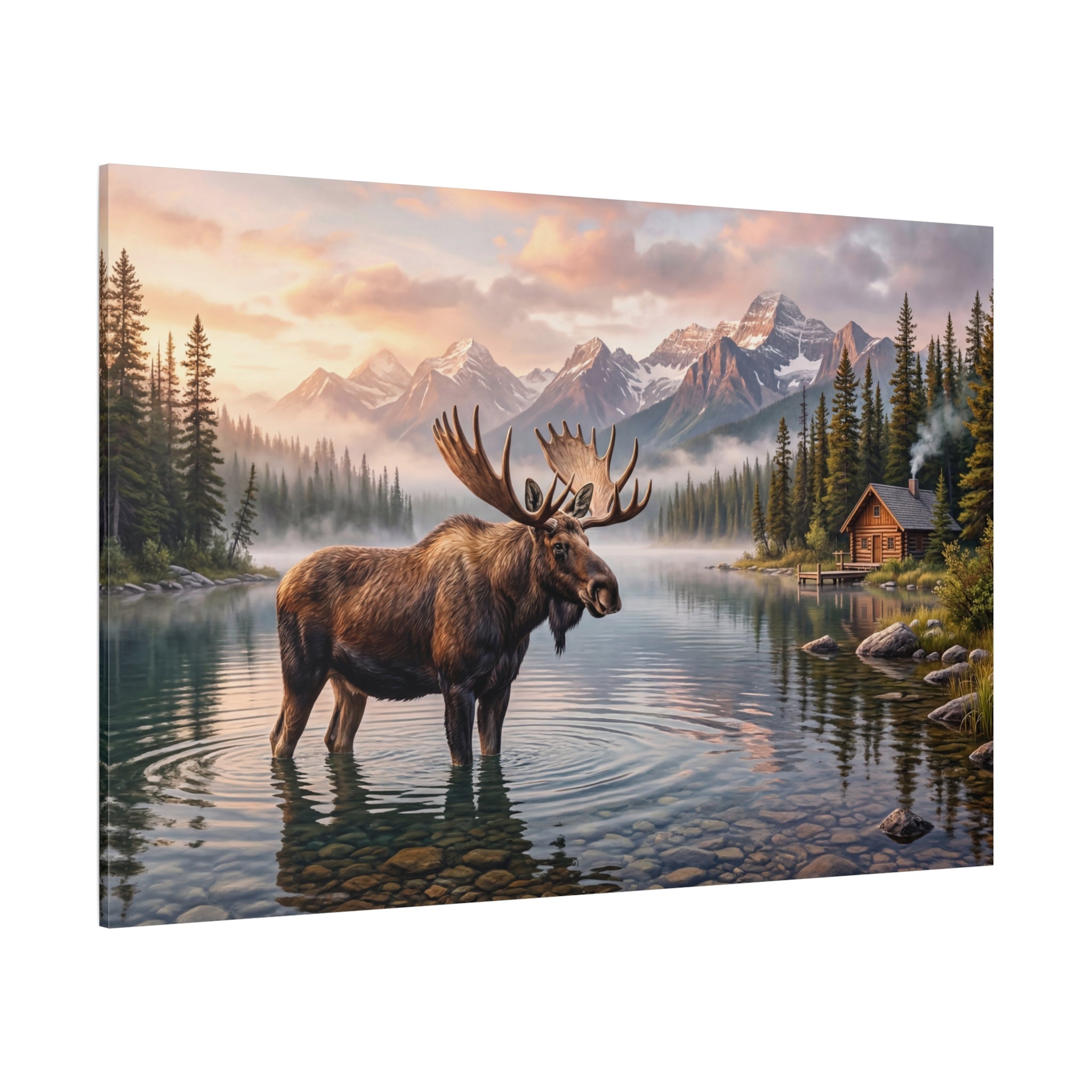
This oversized moose artwork creates dramatic wilderness atmosphere perfect for rustic luxury interiors and mountain-inspired living rooms.
3. Raymond Harris-Ching
Raymond Harris-Ching is celebrated for his hyper-detailed bird and wildlife paintings.
His compositions blend scientific precision with emotional storytelling, creating wildlife artwork that feels both technically masterful and emotionally immersive.
Harris-Ching is especially known for:
- Bird wildlife artwork
- Feather detail realism
- Atmospheric lighting
- Elegant natural compositions
Why His Style Works in Modern Interiors
Bird artwork creates emotional openness and movement inside interiors.
Modern homeowners often use bird-inspired wildlife wall decor in:
- Luxury bedrooms
- Reading rooms
- Minimalist living rooms
- Nature-inspired offices
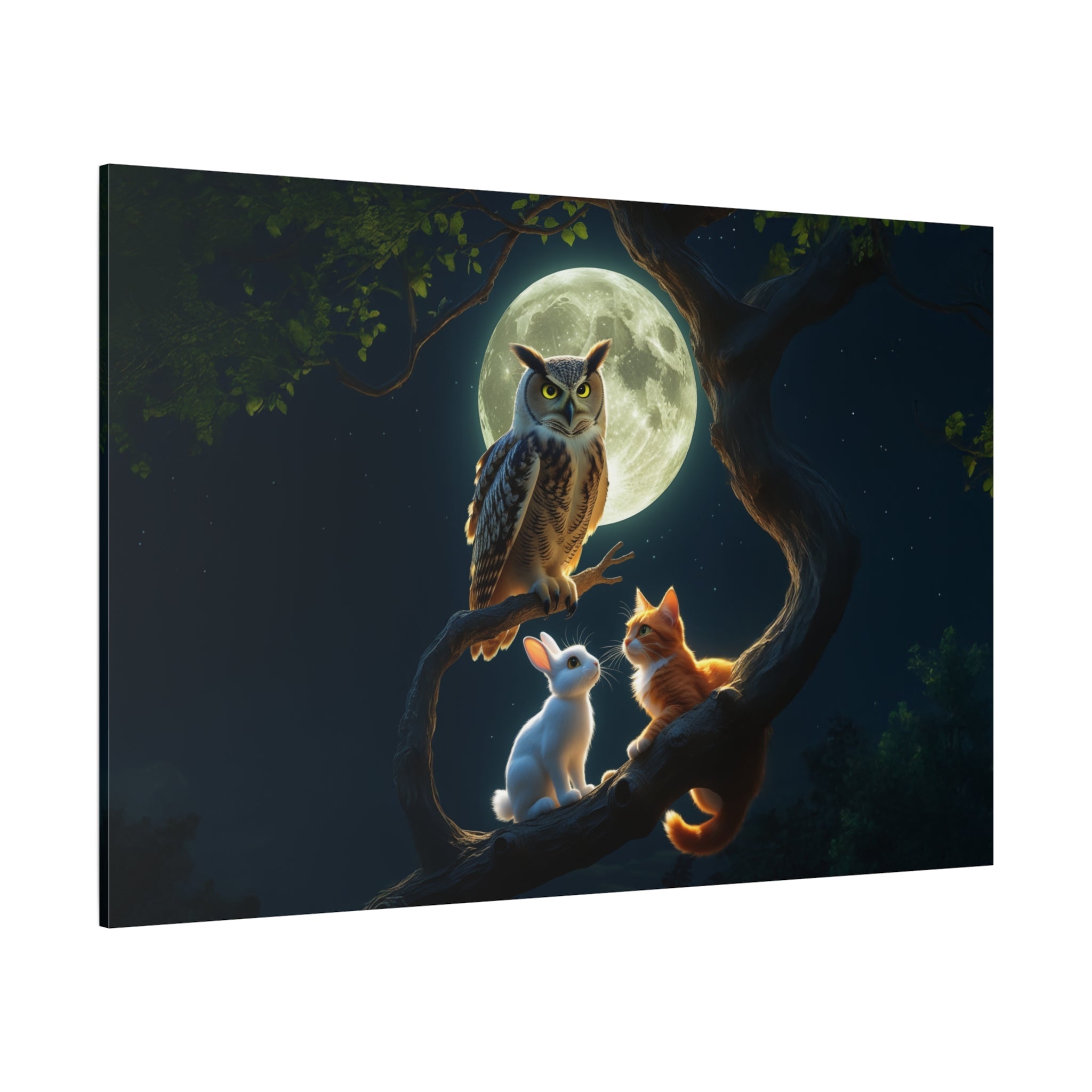
This cinematic owl artwork creates elegant woodland atmosphere inspired by classic wildlife bird paintings and museum-quality wildlife fine art.
4. Terry Isaac
Terry Isaac was renowned for emotionally powerful wildlife paintings filled with warmth, movement, and cinematic natural light.
His work captured emotional atmosphere rather than strict realism alone.
Isaac specialized in:
- Bird wildlife artwork
- Forest wildlife scenes
- Golden-hour lighting
- Emotionally immersive compositions
His paintings feel peaceful yet alive — making them perfect inspiration for modern wildlife decor.
Interior Styling Influence
Terry Isaac's atmospheric style strongly influences:
- Rustic wildlife decor
- Forest-inspired interiors
- Luxury cabin aesthetics
- Warm nature-inspired bedrooms
5. Bruno Liljefors
Bruno Liljefors transformed wildlife art through movement and cinematic perspective.
The Swedish artist portrayed animals dynamically interacting with their natural environments, creating paintings that felt emotionally immersive and visually dramatic.
His work emphasized:
- Predator-prey tension
- Atmospheric landscapes
- Natural wildlife movement
- Immersive wilderness storytelling
Why Liljefors Still Influences Modern Wildlife Art
Modern cinematic wildlife artwork often traces inspiration back to Liljefors' dynamic compositions and emotional realism.
His artistic influence appears throughout modern:
- Luxury wildlife canvas wall art
- Oversized wildlife murals
- Dark moody forest decor
6. John Banovich
John Banovich is famous for large-scale African wildlife paintings featuring lions, elephants, leopards, and safari landscapes.
His work combines:
- Epic cinematic scale
- Luxury safari atmosphere
- Wildlife conservation themes
- Powerful emotional symbolism
Banovich's paintings feel grand, immersive, and emotionally commanding.
Safari Wildlife Art in Luxury Interiors
Safari-inspired wildlife artwork has become increasingly popular in:
- Luxury living rooms
- Executive offices
- Modern ranch homes
- Masculine interior styling
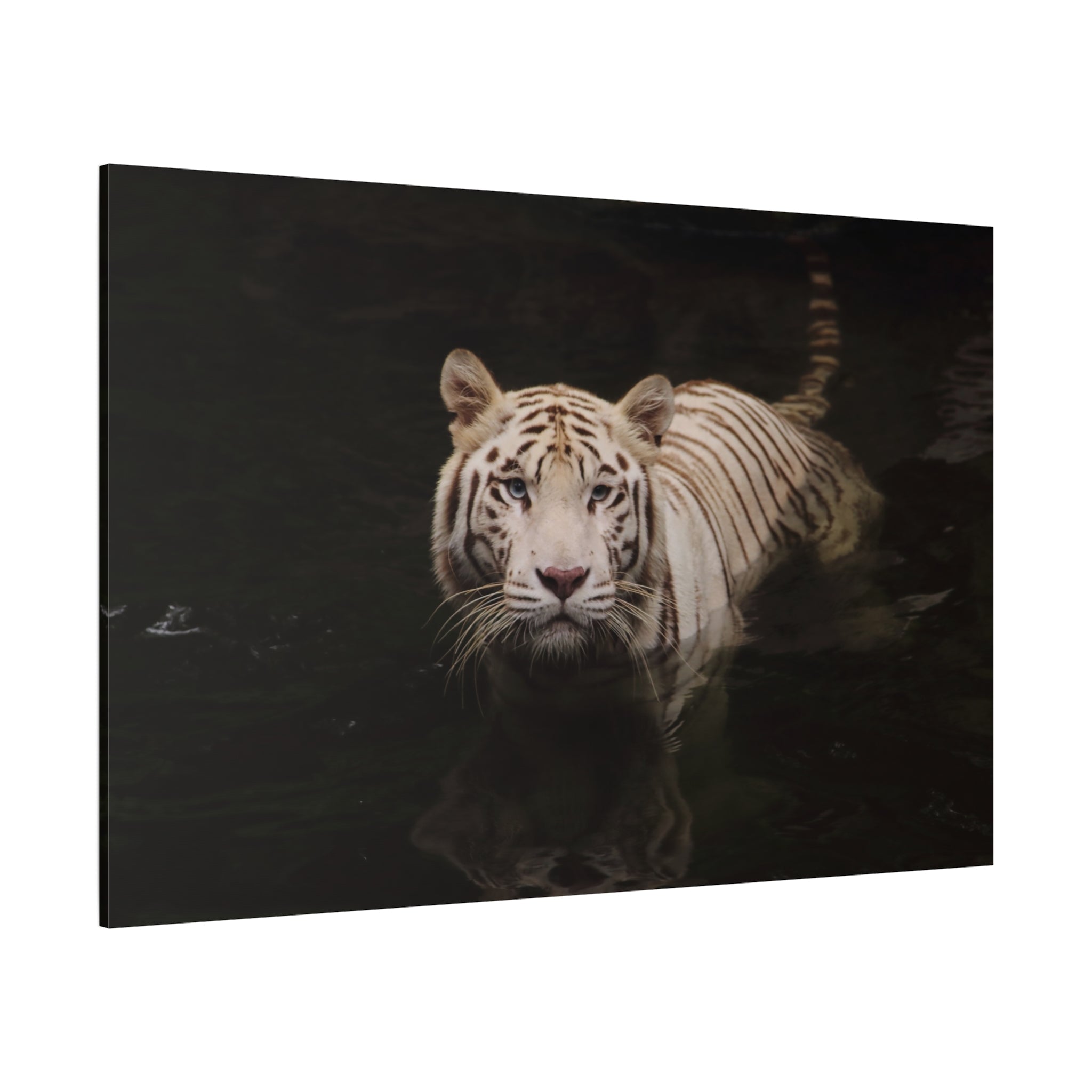
This oversized tiger artwork creates bold safari-inspired atmosphere while symbolizing strength, courage, and wilderness power.
7. Alan M. Hunt
Alan M. Hunt is known for extraordinary realism and emotional precision.
His wildlife paintings often appear almost photographic while maintaining painterly atmosphere and emotional depth.
Hunt specializes in:
- Big cat paintings
- Bird wildlife artwork
- Hyper-realistic wildlife detail
- Natural atmospheric lighting
Decor Compatibility
Alan M. Hunt-inspired artwork works exceptionally well in:
- Modern luxury interiors
- Minimalist spaces
- High-end offices
- Gallery-inspired homes
8. David Shepherd
David Shepherd combined wildlife art with conservation activism.
Famous for his elephant paintings and African wildlife scenes, Shepherd used art to raise awareness for endangered species and wildlife protection.
His work demonstrates how wildlife paintings can become powerful conservation tools.
Wildlife Conservation Through Art
Modern wildlife artwork increasingly supports:
- Conservation awareness
- Environmental education
- Wildlife preservation efforts
- Emotional connection to endangered species
Organizations such as:
continue promoting wildlife conservation awareness globally.
9. Andrew Denman
Andrew Denman blends realism with abstraction to create contemporary wildlife artwork filled with energy and emotion.
His work often features:
- Bold brush textures
- Contemporary wildlife compositions
- Bird and mammal artwork
- Modern emotional expression
Modern Wildlife Wall Decor Influence
Denman's modern artistic style strongly influences contemporary:
- Minimalist wildlife wall decor
- Modern wildlife gallery walls
- Luxury artistic interiors
- Contemporary animal wall art
10. Simon Combes
Simon Combes specialized in African wildlife paintings filled with realism, atmosphere, and emotional drama.
His paintings captured:
- African wilderness landscapes
- Big cat majesty
- Safari wildlife realism
- Natural atmospheric lighting
Luxury Safari Decor Trends
Safari-inspired interiors remain one of the strongest luxury decor movements in 2026.
Popular safari wildlife decor themes include:
- Lions
- Tigers
- Elephants
- Leopards
- African landscape artwork

This commanding lion portrait captures the same African wilderness drama Combes was famous for, ideal for safari-inspired living rooms and executive offices.
Legendary Animal Painters Who Came Before the Wildlife Realists
Long before Bateman or Rungius picked up a brush, an earlier generation of animal painters established wildlife as a serious subject in fine art. These naturalist artists and animal illustrators are often what people picture first when they search for "famous animal artists" or "artists who paint animals," so it's worth knowing where the tradition started.
John James Audubon (1785–1851) remains the most famous naturalist-illustrator in American history. His life-size, hand-colored engravings in The Birds of America combined scientific observation with dramatic, almost theatrical composition, and the National Audubon Society still carries his name today.
George Stubbs (1724–1806) spent 18 months dissecting horses to produce The Anatomy of the Horse, and his anatomically precise equine portraits made him the definitive animal painter of 18th-century England.
Sir Edwin Landseer (1802–1873) was the Victorian era's most celebrated animal painter, famous for The Monarch of the Glen and for sculpting the bronze lions at the base of Nelson's Column in London's Trafalgar Square.
Rosa Bonheur (1822–1899) became one of the most successful animal painters of the 19th century with monumental works like The Horse Fair, painted after months of studying horses firsthand at Parisian markets.
Albrecht Dürer (1471–1528) produced some of the earliest and most enduring animal studies in Western art, including his watercolor Young Hare and the woodcut Rhinoceros, both still reproduced constantly today.
This lineage of animal painters and naturalist illustrators laid the groundwork that Bateman, Rungius, and the rest of the modern wildlife realists built on.
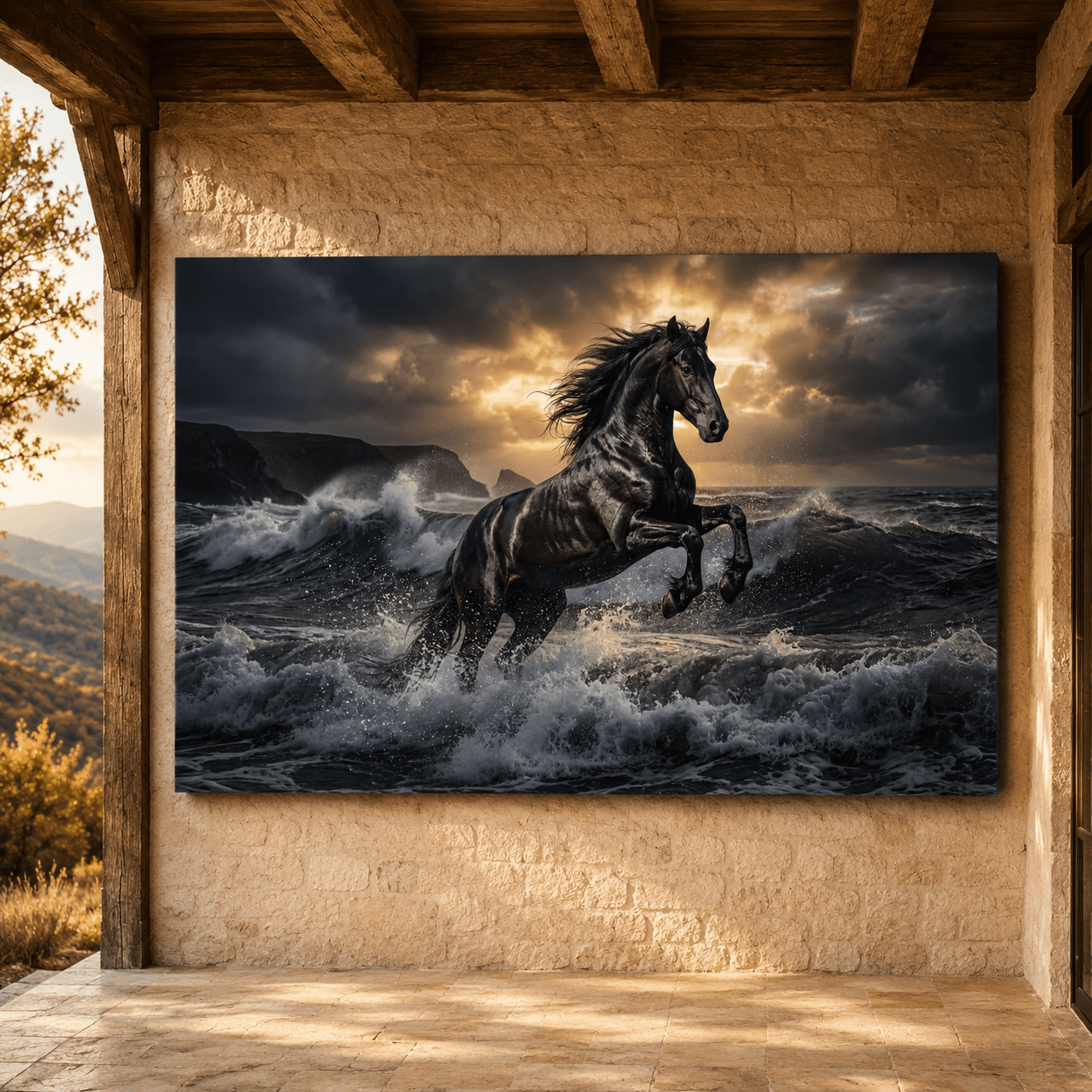
Horses have been a defining subject for animal painters since Stubbs and Bonheur — this dramatic modern reinterpretation carries that same equestrian energy into contemporary interiors.
Contemporary Wildlife Artists Carrying the Tradition Forward
Wildlife art didn't stop evolving with the 20th-century masters. A new generation of contemporary wildlife artists continues to push the genre in fresh directions, blending traditional realism with modern, graphic, and even abstract sensibilities.
Artists like Tucker Smith and Ken Carlson continue the realist tradition established by Rungius and Bateman, while painters such as Emma Swift, Debbie Boon, and Carrie Cook are known for stylized, impressionistic wildlife work that trades photorealism for bold color and texture. Other contemporary names, like Kenneth Peloke, create striking wildlife art almost exclusively in black and white, while UK-based artists such as Stephen Park depict everything from African "big five" subjects to wildlife closer to home.
This contemporary movement matters for interiors because it has expanded wildlife art beyond the traditional cabin-and-lodge look. Modern giclée printing and wrapped canvas production now make gallery-quality, contemporary-style wildlife art accessible for minimalist, abstract, and luxury-modern interiors — not just rustic ones.
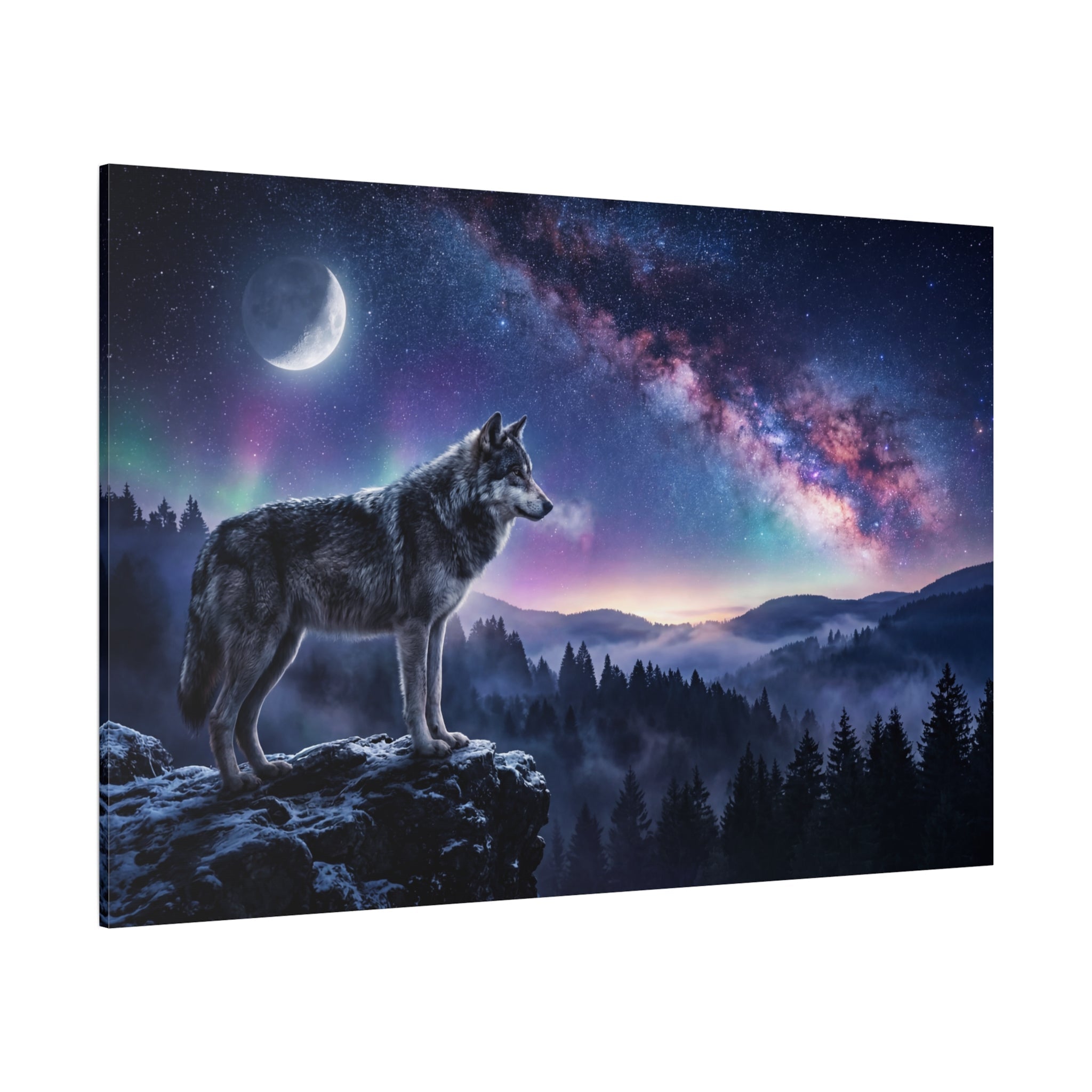
This stylized, cosmic take on a classic wolf portrait reflects exactly where contemporary wildlife art is headed — realism blended with bold, modern imagination.
Where to See Wildlife Art: Museums and Exhibitions
For anyone who wants to see famous wildlife art in person rather than just in books, two American institutions stand out.
The National Museum of Wildlife Art in Jackson Hole, Wyoming holds an internationally recognized collection of more than 5,000 pieces across fourteen galleries, representing over 550 artists spanning early American tribes to contemporary painters devoted to nature. Fittingly, the museum's street address is 2820 Rungius Road — named for Carl Rungius, one of the artists featured above.
The Leigh Yawkey Woodson Art Museum in Wausau, Wisconsin hosts the world-renowned Birds in Art exhibition every year, an internationally juried show that has run annually since the museum's founding in 1976 and remains free to the public.
Visiting collections like these is a useful reference point for anyone building a wildlife-inspired interior — the same balance of realism, atmosphere, and emotional storytelling found in museum-quality pieces is what separates premium wildlife canvas wall art from generic decor.
Wildlife Symbolism in Home Decor
| Animal | Symbolism |
|---|---|
| Tiger | Strength and confidence |
| Wolf | Loyalty and resilience |
| Eagle | Freedom and leadership |
| Owl | Wisdom and intuition |
| Fox | Adaptability and intelligence |
| Moose | Strength and grounding energy |
| Sea Life | Peace and emotional calmness |
Best Wildlife Wall Art Styles for Modern Homes
Modern Minimalist Wildlife Art
- Neutral palettes
- Large-scale compositions
- Minimal distractions
Rustic Wildlife Decor
- Forest wildlife themes
- Warm earthy colors
- Woodland atmosphere
Safari Wildlife Art
- Bold predator imagery
- Golden cinematic lighting
- Luxury masculine atmosphere
Ocean Wildlife Artwork
- Relaxing blue palettes
- Coastal serenity
- Luxury beach-house aesthetics
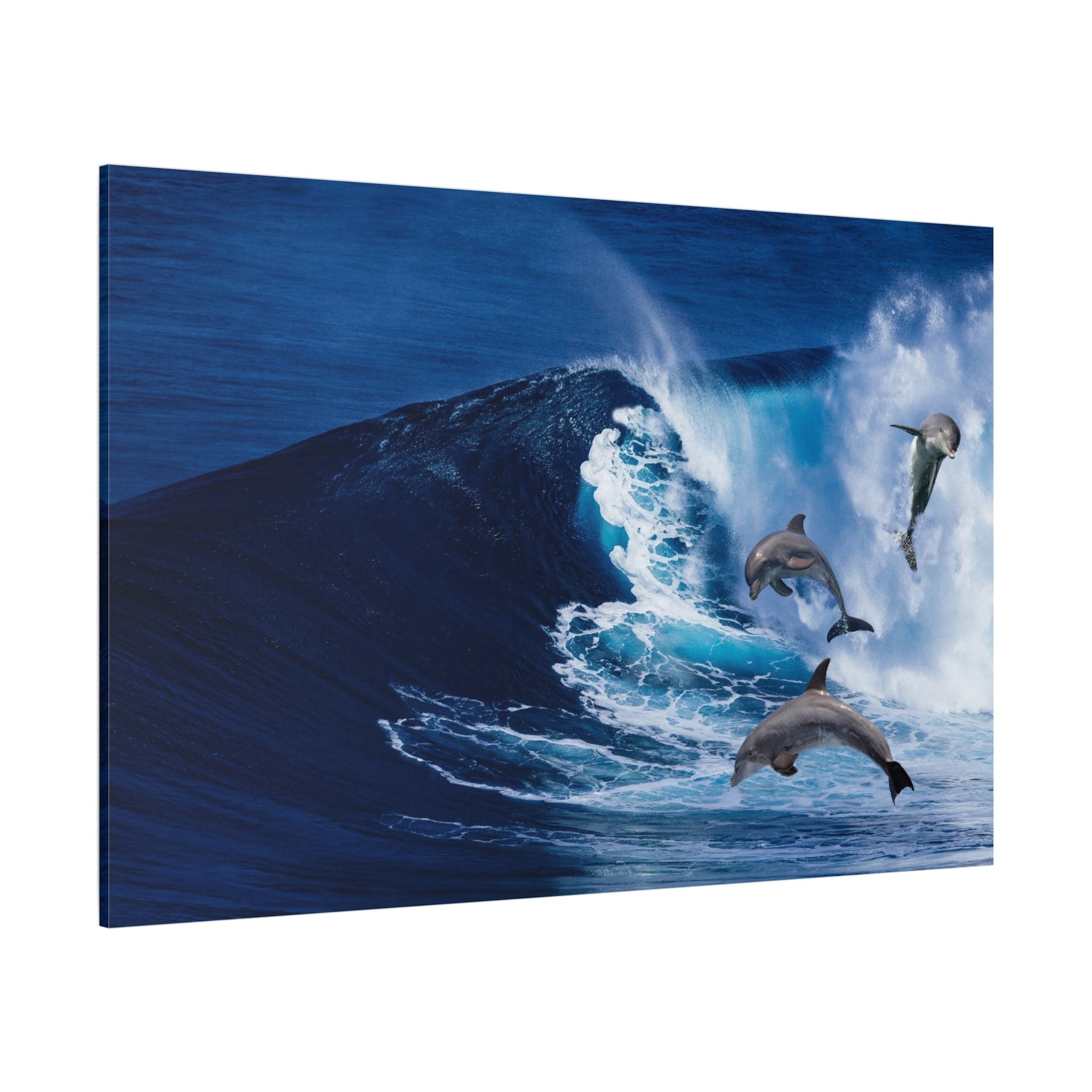
This vibrant ocean wildlife artwork creates peaceful luxury atmosphere ideal for coastal interiors and modern nature-inspired living spaces.
Realism vs Abstract Wildlife Art
| Realistic Wildlife Paintings | Abstract Wildlife Art |
|---|---|
| Emotionally immersive | Conceptually expressive |
| Nature-focused storytelling | Modern artistic interpretation |
| Luxury rustic interiors | Minimalist contemporary spaces |
| Classic timeless appeal | Bold artistic statement |
Best Wildlife Canvas Wall Art for Living Rooms
Living rooms are ideal spaces for oversized wildlife statement artwork.
Best Wildlife Themes for Living Rooms
- Tigers
- Wolves
- Eagles
- Moose
- Ocean wildlife
Oversized wildlife artwork creates:
- Luxury atmosphere
- Gallery-inspired presentation
- Emotional storytelling
- Visual depth
Oversized Wildlife Canvas Trends
Oversized wildlife canvas wall art continues dominating modern luxury interiors.
Popular oversized wildlife themes include:
- Panoramic wolf landscapes
- Large predator portraits
- Ocean wildlife murals
- Forest wilderness scenes
Modern Wrapped Canvas vs Traditional Paintings
| Wrapped Canvas Wall Art | Traditional Paintings |
|---|---|
| Modern gallery-style aesthetics | Classic collector appearance |
| Perfect for oversized walls | Traditional display scale |
| Luxury minimalist styling | Formal presentation |
| Affordable premium decor | Collector pricing |
How Wildlife Art Changes Room Atmosphere
Wildlife artwork emotionally transforms interiors.
Forest Wildlife Art Creates:
- Warmth
- Calmness
- Rustic comfort
Ocean Wildlife Artwork Creates:
- Relaxation
- Visual openness
- Coastal serenity
Predator Wildlife Artwork Creates:
- Strength
- Power
- Luxury masculine atmosphere
Fine Art vs Decorative Wildlife Art
| Fine Wildlife Art | Decorative Wildlife Art |
|---|---|
| Collector-focused | Interior-focused |
| Traditional presentation | Modern luxury decor |
| Investment-oriented | Statement-wall oriented |
| Gallery atmosphere | Accessible luxury styling |
Luxury Wildlife Decor Ideas
- Use oversized wildlife artwork above sofas
- Create wildlife gallery walls in hallways
- Pair forest wildlife art with wood textures
- Use ocean wildlife decor in coastal homes
- Add bird wildlife artwork to reading spaces
- Use predator artwork in executive offices
Related Wildlife Collections
- Wildlife Canvas Wall Art
- Animals Canvas Wall Art
- Nature Canvas Wall Art
- Bird Canvas Wall Art
- Sea Life Canvas Wall Art
- Eagle Canvas Wall Art
- Owl Canvas Wall Art
- Deer Canvas Wall Art
- Moose Canvas Wall Art
- Bear Canvas Wall Art
- Fox Canvas Wall Art
- Lion Canvas Wall Art
- Horse Canvas Wall Art
- Reptile Canvas Wall Art
- Kids Room Canvas Wall Art
Why Choose ArtOfRoyals?
- Premium wrapped canvas craftsmanship
- Museum-quality wildlife printing
- Luxury wildlife-inspired aesthetics
- Oversized statement wall expertise
- Nature-inspired luxury decor
- Wildlife symbolism and emotional storytelling
- Ready-to-hang convenience
ArtOfRoyals creates immersive wildlife artwork designed to celebrate nature while transforming interiors into luxurious statement spaces filled with emotion, atmosphere, and timeless wilderness beauty.
Frequently Asked Questions
Who are the most famous wildlife artists?
Some of the most famous wildlife artists include Robert Bateman, Carl Rungius, Raymond Harris-Ching, Terry Isaac, Bruno Liljefors, John Banovich, Alan M. Hunt, David Shepherd, Andrew Denman, and Simon Combes.
Who are some famous animal painters from before the modern wildlife art movement?
John James Audubon, George Stubbs, Sir Edwin Landseer, Rosa Bonheur, and Albrecht Dürer are among the most influential animal painters and naturalist illustrators in art history, predating the 20th-century wildlife realists.
Where can I see famous wildlife art in person?
The National Museum of Wildlife Art in Jackson Hole, Wyoming and the Leigh Yawkey Woodson Art Museum's annual Birds in Art exhibition in Wausau, Wisconsin are two of the most respected venues for wildlife art in the United States.
Why is wildlife wall art popular in luxury interiors?
Wildlife artwork creates emotional atmosphere, luxury sophistication, and connection to nature while serving as powerful statement decor.
What wildlife artwork works best for living rooms?
Oversized wildlife canvas wall art featuring wolves, tigers, eagles, moose, and ocean wildlife creates dramatic luxury focal points in living rooms.
What is premium wrapped canvas wall art?
Premium wrapped canvas wall art uses museum-quality printing on stretched canvas with gallery-style wrapped edges for modern luxury presentation.
Why do people emotionally connect with wildlife art?
Wildlife art symbolizes freedom, strength, wisdom, resilience, and connection to nature, creating emotional storytelling that resonates deeply inside interiors.


